When it comes to enhancing culinary skills, the right Cooking Pot Set is essential. Renowned chef Julia Child once said, "You don’t have to cook fancy or complicated masterpieces—just good food from fresh ingredients." This sentiment rings true for both novice and seasoned cooks alike. A well-chosen set can make all the difference in meal preparation, offering versatility and efficiency.
Choosing the best Cooking Pot Set involves more than aesthetics. It's about functionality and quality. Various materials, such as stainless steel, non-stick, or cast iron, serve different culinary purposes. For example, stainless steel retains heat well, while non-stick surfaces simplify cooking and cleaning. Invest time researching advantages and disadvantages of each material.
Many cooks overlook how a Cooking Pot Set can influence their cooking experience. The right pots can enhance flavors and help control cooking temperatures. Without proper tools, even the simplest recipes can become daunting. A good pot set should feel comfortable and inspire confidence in the kitchen. Reflect on your cooking needs to make an informed choice.
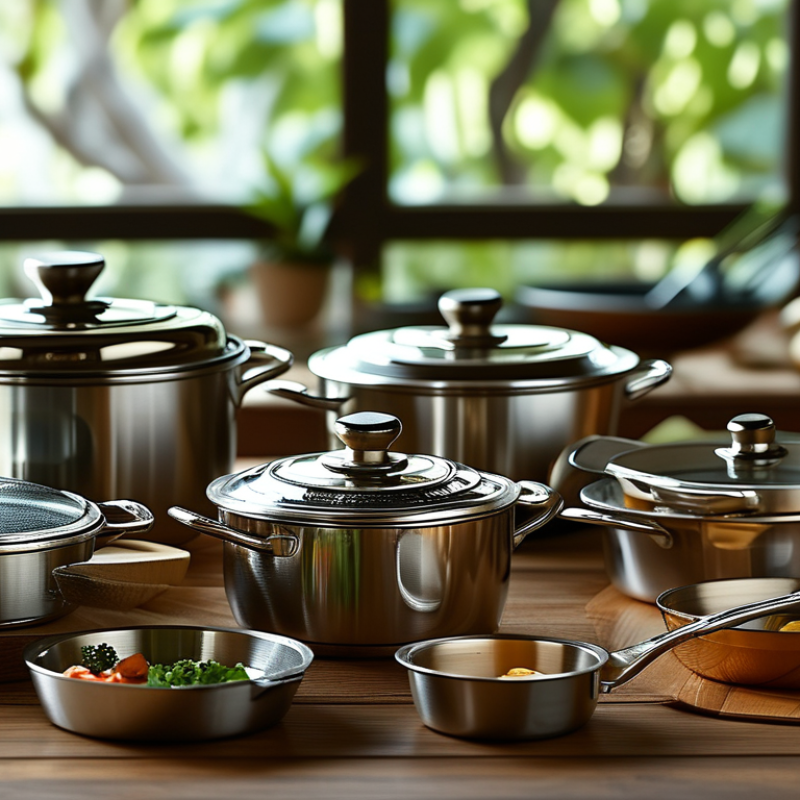
Essential Features of a Cooking Pot Set for Home Chefs
When selecting a cooking pot set, focus on essential features. Durable materials are crucial. Stainless steel and cast iron offer longevity and even heat distribution. Non-stick coatings can be convenient but may wear over time. Look for pots with thick bases to prevent warping during use. A heavy bottom is equally important for consistent cooking results.
Versatility is another key aspect. A good set should include a range of pot sizes. Consider having a small saucepan for sauces and larger stockpots for soups and stews. Lids that fit well are essential to keep moisture locked in. Ergonomic handles enhance comfort during cooking, ensuring safety when transferring hot pots.
Reflect on your cooking habits. Do you often make large meals or prefer quick dishes? Choose a set that aligns with your particular needs. Also, note the weight of the pots; they should feel manageable. A well-balanced pot can make stirring and pouring easier. Finally, think about storage space. Compact designs can help in tight kitchens.
Types of Cooking Pots: Exploring Materials and Designs
When choosing the right cooking pots, material and design play crucial roles. Different materials offer various heat conduction and cooking performance. Stainless steel is popular for durability and even heating. Cast iron remains a favorite for its heat retention, ideal for slow cooking. Non-stick options make for easy cleanup but often require more careful handling. According to industry reports, 45% of chefs prefer stainless steel for its versatile applications.
Cooking pot designs also vary. Deep pots are excellent for stews, while wide ones are better for sauces. A study showed that 78% of home chefs find that pot shape affects cooking outcomes. Pay attention to handle ergonomics and lid fit. These elements can enhance your cooking experience significantly.
Tips: Choose pots with stay-cool handles to avoid burns. Consider weight; heavier pots can offer better heat retention but might be cumbersome. Regular maintenance ensures longevity. Always evaluate your cooking habits, as they can highlight which designs suit you best. Reflection on past cooking experiences can lead to more informed choices for your kitchen.
How to Choose the Right Size and Capacity for Your Cooking Needs
Choosing the right size and capacity for your cooking pot set is essential for any home chef. Consider your cooking habits and the number of people you typically serve. A small pot may suffice for solo meals, but larger families benefit from bigger sizes. A versatile 6-quart pot works well for soups, stews, and pasta.
Tip: Invest in a few sizes. Having a small, medium, and large pot can elevate your cooking. You can prepare multiple dishes simultaneously. It's wise to choose pots with lids that seal well. This helps retain heat and moisture, ensuring your food cooks evenly.
Don't overlook the importance of weight and material. Heavier pots often distribute heat better. Yet, they can be cumbersome. Reflections on your cooking style can help. If you love slow cooking, opt for thicker materials. For quick meals, lighter pots may be more practical.
Top Brands and Their Best-Selling Cooking Pot Sets
When it comes to choosing the ideal cooking pot set, several top brands provide excellent options for home chefs. Industry reports show that more than 65% of consumers prioritize durability and heat retention in their cookware. A solid stainless steel set often tops the list in these categories. These pots can withstand various cooking methods and offer a versatile solution for everyday needs.
Professional chefs often recommend non-stick cookware for those who dislike scrubbing pans after meals. A recent survey revealed that 72% of home cooks prefer non-stick for its ease of use. However, there's a debate about the longevity of non-stick coatings versus traditional materials. It raises questions on whether the convenience outweighs potential health concerns over wear and tear.
In addition, cast iron remains a favorite among enthusiasts. It offers excellent heat distribution and a timeless charm. Yet, new cooks often struggle with maintenance and seasoning. The weight of cast iron can be daunting for some. While it is highly rated, not every chef is ready to care for it properly. Striking a balance between practicality and performance is crucial in selecting the right cooking pot set.
Cooking Pot Set Popularity among Home Chefs
Care and Maintenance Tips for Long-Lasting Cooking Pots
Cooking pots are essential for every home chef. To keep them in top shape, proper care and maintenance are crucial. Regularly cleaning your pots after use can prevent stubborn stains and food buildup. Use warm soapy water and a soft sponge. Avoid abrasive cleaners that can scratch the surface.
Storing pots correctly extends their life. Place a soft cloth or paper towel between stacked pots to prevent scratches. Keep lids separate from pots to avoid warping. Always check for signs of wear, like chips or cracks, which can affect cooking performance. Understanding your pots' material helps in proper maintenance. Non-stick surfaces require gentle handling, while stainless steel can withstand more scrubbing.
Over time, even the best pots can show signs of wear. If food begins to stick, consider re-seasoning or replacing the pot when necessary. Learning when to let go of a pot is part of the journey. An informed chef adopts practices to ensure long-lasting tools, contributing to successful cooking experiences.
FAQS
: Stainless steel and cast iron are ideal. They offer durability and even heat distribution.
Regular cleaning after use helps prevent stains and buildup. Store pots with care to avoid scratches.
Having various sizes allows you to cook different meals. Small pots are great for sauces; large ones for stews.
Consider shapes based on your recipes. Deep pots suit stews while wide pots are better for sauces.
Ergonomic handles enhance comfort. Stay-cool features help prevent burns while cooking.
Look for signs like chips or cracks. If food sticks often, consider re-seasoning or replacing the pot.
Non-stick pots may wear over time. Handle them carefully to avoid damaging the coating.
Heavier pots can retain heat better but might feel cumbersome. Choose based on your comfort level.
Yes, well-fitting lids help keep moisture locked in, enhancing cooking results.
Reflect on what you cook often. Select pots that match your cooking style and meal size preferences.
Conclusion
When choosing a cooking pot set, home chefs should prioritize essential features such as heat conductivity, durability, and ease of cleaning. Various types of cooking pots are available, each made from different materials like stainless steel, cast iron, and non-stick coatings, providing distinct advantages for various cooking styles. Understanding the right size and capacity based on your cooking needs is crucial to maximize efficiency in the kitchen.
Additionally, selecting top brands can guide you toward the best-selling cooking pot sets, known for their quality and performance. To ensure longevity, follow proper care and maintenance tips, which include regular cleaning and appropriate storage methods. Ultimately, a well-chosen cooking pot set is an invaluable asset that enhances both the cooking experience and the quality of the dishes prepared.

 JIASHUN