When considering earthenware pots, buyers should appreciate their unique qualities. These pots have been used for centuries across various cultures. Their rich history adds value to any kitchen or decorative setup. Made from clay, earthenware pots are known for their natural look and feel. They can enhance the aesthetic appeal of meals and gatherings.
Choosing the right earthenware pots can be overwhelming. Many options are available, each with distinct features. Buyers often seek pots that provide durability and functionality. Quality varies, and it’s essential to understand the differences. Some pots are better suited for slow cooking, while others excel in serving foods.
Investing in earthenware pots can be rewarding. They hold heat well, making them perfect for stews and casseroles. Yet, one must care for them properly to avoid damage. Many buyers do not realize the maintenance required. This can lead to disappointments if not addressed. Ultimately, earthenware pots are a worthwhile addition for those who appreciate tradition and style.
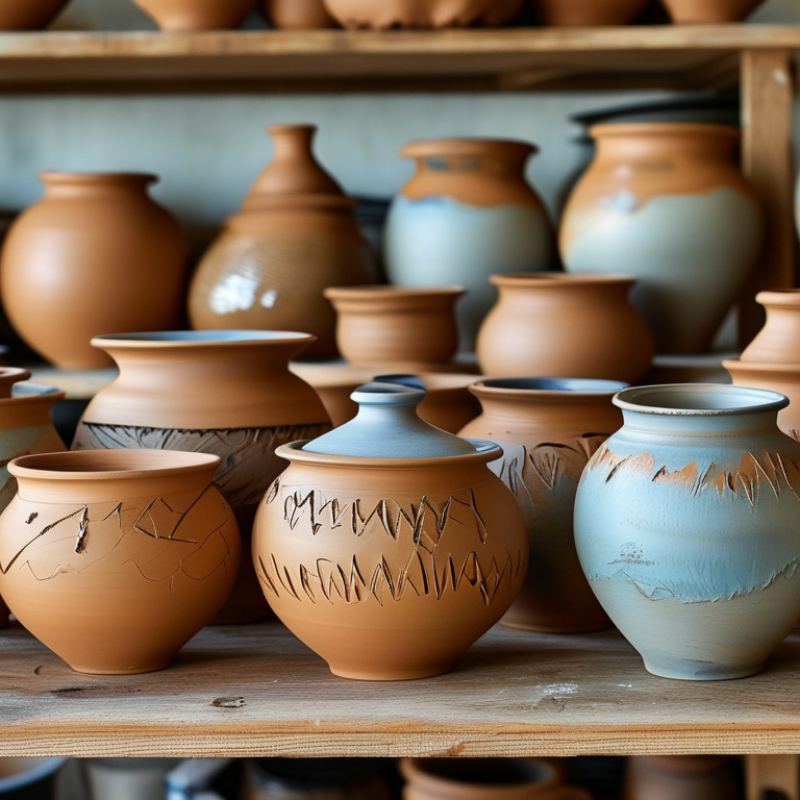
Overview of Earthenware Pots and Their Uses
Earthenware pots have long been favored for their versatility and unique properties. Made from natural clay, they present a rustic charm that enhances both cooking and serving. Their porous nature allows for excellent moisture retention, making them ideal for slow-cooked dishes. Some cooks swear by earthenware pots for baking bread, believing they produce superior crusts.
These pots can be used across various cuisines. They are perfect for stews, casseroles, and even desserts. However, it’s essential to properly care for them. Regular soaking before use can prevent cracking. Each pot has its character, but this can also lead to inconsistencies in cooking. Adjustments might be needed based on your specific pot.
Accessibility is a key factor for global buyers. While earthenware products are stunning, not all markets offer high-quality options. Pottery can vary significantly by region, impacting durability and performance. Buyers must research and consider local artisans, ensuring the pots are food-safe and well-crafted. Engaging with pottery communities can provide valuable insights, leading to informed purchases.
Types of Earthenware Pots Available Globally
Earthenware pots come in various styles and functionalities, appealing to a global market. Different regions offer unique types that reflect local cultures. For instance, in Mexico, large clay pots called "olla" are ideal for slow cooking. These pots enhance flavors and retain moisture. They're perfect for stews and soups.
Indian earthenware often features intricate designs. Traditionally, they are used for both cooking and serving. The porous nature allows for even heat distribution. When used properly, these vessels can yield delicious meals. However, they require careful handling to avoid cracks.
Tips for choosing the right earthenware pot: Look for quality craftsmanship with a smooth texture. Avoid pots with visible fissures. Consider the size based on dish requirements. Additionally, pre-soaking in water can help prevent food sticking.
Environmentally, earthenware is sustainable. It’s made from natural materials and doesn’t produce harmful emissions. However, certain pots may need glazing to be food-safe. Research appropriate care techniques for longevity. Embracing earthenware pots can enrich culinary experiences worldwide.
Key Features to Look for When Purchasing Earthenware Pots
When purchasing earthenware pots, consider several key features that can significantly enhance your cooking experience. The type of clay used is essential; high-quality pots are often made from natural, mineral-rich clay. This ensures durability and better heat retention. According to a recent industry report, pots made from high-fired clay can withstand higher temperatures, resulting in more evenly cooked meals.
Another vital element is the pot's design. A well-shaped pot not only looks appealing but also aids in efficient cooking. Check for thick walls, which provide insulation and maintain a stable temperature. However, be mindful that a thicker pot may take longer to warm up. The texture also matters—smooth finishes are easier to clean while rough textures can enhance flavor profiles. This might seem minor, but even small imperfections in the pottery can affect its usability and aesthetic appeal.
Keep in mind the size and shape appropriate for your cooking needs. Larger pots can be cumbersome, while smaller ones may limit your cooking capacity. Additionally, verify the pot's ability to absorb moisture, which is crucial for slow-cooked dishes. According to surveys, many users regret not considering these factors more carefully. Taking time to reflect on your specific requirements can lead to a more satisfying purchase.
Best Earthenware Pots Features Comparison
Top Brands and Manufacturers of Earthenware Pots
Earthenware pots have gained popularity among global buyers due to their unique characteristics. These pots offer excellent thermal insulation, making them ideal for cooking and serving. An industry report noted that the earthenware market is expected to grow annually by 4.5% from 2023 to 2028. This rise can be attributed to the increasing consumer awareness of sustainable cookware options.
Several top brands and manufacturers lead this market, known for their commitment to quality and innovation. Many sources indicate that the craftsmanship of these pots is vital. Traditional methods, often passed down through generations, can enhance the aesthetic and functional appeal. However, not all brands guarantee uniform quality across their product lines. Some buyers have reported inconsistencies in finish and durability.
Moreover, it’s crucial to consider sourcing practices. Ethical manufacturing processes have become essential for buyers today. Reports suggest that brands using local clay and sustainable practices often see higher customer loyalty. However, not all brands adhere to these principles. This inconsistency can lead to confusion among buyers looking for reliable options. Understanding these nuances can significantly impact purchasing decisions.
Care and Maintenance Tips for Earthenware Pots
Earthenware pots are cherished for their durability and aesthetic appeal. However, proper care and maintenance are crucial to keep them in top condition. Recent studies indicate that earthenware can absorb moisture. This characteristic can lead to damage if not managed effectively. It's essential to avoid soaking these pots in water, as prolonged exposure can weaken the material and cause cracking.
Cleaning earthenware pots requires gentle methods. Mild soap and a soft sponge are recommended to prevent scratches. Research shows that abrasive cleaners can strip away the pot's surface, leading to a shorter lifespan. It's important to dry the pots thoroughly after washing them, as trapped moisture could foster mold growth. Although these steps seem straightforward, many users often overlook them.
A common challenge is the discoloration that can occur over time. Natural ingredients can stain the surface. To address this, some recommend using a paste of baking soda and water for spot cleaning. While this method may help, it can also wear down the finish. Reflecting on these maintenance strategies reveals that even the most robust earthenware pots require thoughtful care. A lack of attention can lead to unanticipated issues.
Best Earthenware Pots for Global Buyers Looking to Purchase - Care and Maintenance Tips for Earthenware Pots
| Pot Type |
Size |
Best Use |
Care Tips |
| Traditional Clay Pot |
4 liters |
Cooking stews and soups |
Soak in water before use, avoid harsh detergents |
| Terracotta Planter |
30 cm diameter |
Indoor and outdoor plants |
Keep moist, avoid freezing temperatures |
| Enameled Earthenware |
2 liters |
Baking and serving dishes |
Hand wash only, avoid chipping enamel |
| Glazed Ceramic Pot |
1 liter |
Cooking sauces and dips |
Safe for the oven, cool gradually to avoid cracking |
| Hand-Painted Earthenware |
3 liters |
Casseroles and serving |
Wash gently, avoid abrasive cleaners |
Conclusion
Earthenware pots are versatile and timeless kitchenware, cherished for their ability to retain heat and enhance the flavors of dishes. Used in various culinary traditions, these pots come in an array of types, including cooking pots, baking dishes, and decorative items. When purchasing earthenware pots, buyers should consider key features such as durability, glaze quality, and size to ensure optimal use for their culinary needs.
Globally, there are numerous brands and manufacturers known for their high-quality earthenware pots, which cater to different preferences and budgets. Proper care and maintenance are essential to prolong the life of these pots, including regular cleaning and avoiding sudden temperature changes. By understanding the various types and key features of earthenware pots, global buyers can make informed choices to enhance their cooking experiences.

 JIASHUN