In the world of dining ware, choosing the right set can be quite daunting for global buyers. Experts, like renowned dining specialist Mark Stevens, emphasize the importance of quality. He once stated, "A well-chosen dining ware set can elevate any meal experience." This assertion reflects the growing trend towards curated dining environments.
When considering a Dining Ware Set, various factors come into play. Material, design, and functionality are key aspects. Porcelain, stoneware, or bone china each offers unique aesthetic and durability qualities. Potential buyers often overlook the longevity and maintenance of these materials in their decision-making process.
Additionally, cultural influences shape preferences in dining ware. Sets inspired by traditional designs might appeal to some. However, others may seek modern minimalism. It’s essential to reflect on personal style and intended use. Balancing aesthetics with practicality can lead to an enriching dining experience. A thoughtful choice can be both beautiful and functional.
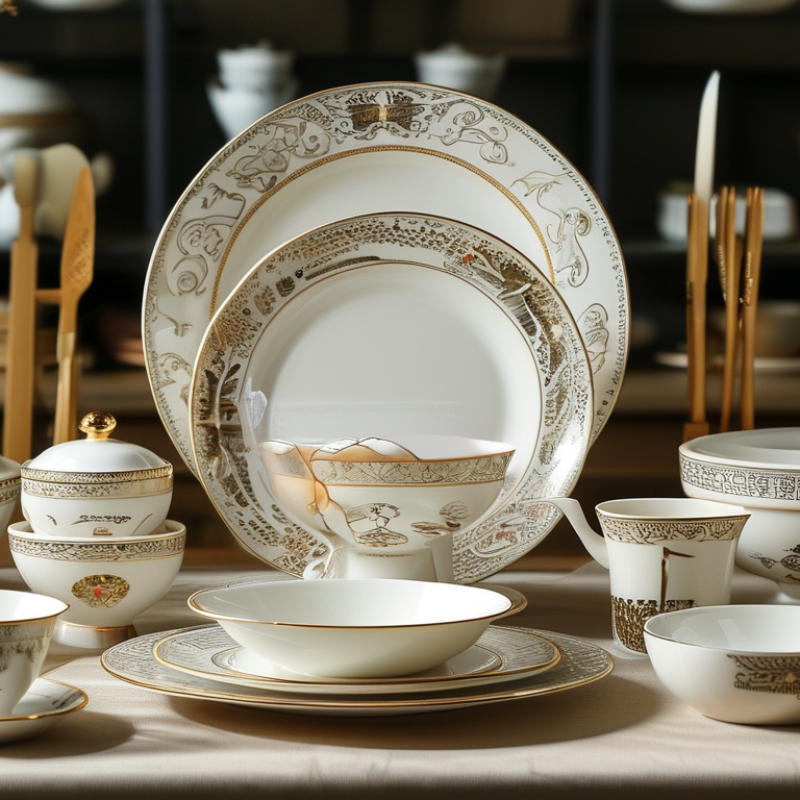
Understanding the Diversity of China's Top Dining Ware Materials
When exploring China's diverse dining ware materials, it's essential to recognize the unique qualities each offers. Traditional porcelain stands out for its elegance and durability. It has a rich history and reflects Chinese artistry at its finest. Many buyers appreciate its ability to withstand heat and its easy maintenance. However, be cautious. Not all porcelain is created equal.
Ceramic is another popular choice. This material can range from rustic to refined. It offers versatile designs, making it suitable for everyday use or special occasions. However, some ceramics tend to be more porous, which can affect their longevity. Always check for quality to avoid disappointment.
**Tips:** Pay attention to the glaze used on ceramic pieces. A good glaze can enhance durability. Look for items that are dishwasher-safe for convenience.
Additionally, bamboo dining ware is gaining traction for its eco-friendliness. While it's lightweight and aesthetically pleasing, its sturdiness can vary. Some bamboo products may warp or break more easily. Ensure you choose well-crafted items for lasting enjoyment. Choosing dining ware requires careful thought. What suits your style and needs? Consider the materials' pros and cons to make a well-informed decision.
Evaluating the Quality Standards of Chinese Dining Ware Products
When considering Chinese dining ware, quality standards are paramount. Many products are made from durable materials, such as porcelain or stoneware. These materials lend elegance and resilience to dinnerware, but there is variability in quality. Authentic Chinese craftsmanship often includes hand-painted designs and meticulous glazing techniques, which contribute to both beauty and durability.
To assess quality, inspect the finish. A smooth, even surface indicates a well-made product. Look for any chips or imperfections, as these can affect longevity. Heavier pieces often signify better quality. Lightweight dining ware may be appealing but can break easily.
Tips for evaluating dining ware include checking for certifications. Authentic Chinese dining sets can carry quality stamps or labels, signaling adherence to safety standards. Research any unfamiliar terms or materials. Understanding these can help avoid low-quality products. Weighing personal preferences in design against durability is also essential. Remember, not all beautiful items are practical for everyday use, and what looks great may require extra care.
Key Features to Look for in Dining Ware When Buying from China
When considering dining ware from China, it’s essential to focus on key features that enhance usability and aesthetics. First, material quality is paramount. Porcelain and stoneware are popular for their durability and elegance. Examine the finish and glaze as well; a smooth, even coating usually indicates higher craftsmanship. Look for dishes that can withstand both hot and cold temperatures to increase their versatility.
Another significant aspect is design and functionality. Choose dinnerware that complements your style, whether it’s modern, classic, or rustic. Consider the shapes and sizes available. Plates should be wide enough for generous portions but not too bulky. Ergonomic designs can enhance comfort.
Finally, pay attention to safety certifications. Reliable dining ware should comply with food safety standards. Check for FDA regulations or equivalent certifications. Quality control is crucial, and it's worth asking about production practices. Notably, while aesthetics matter, durability often requires thoughtful choices. Analyze your needs and don't rush into decisions.
The Importance of Brand Reputation in Chinese Dining Ware Selection
When choosing Chinese dining ware, brand reputation plays a vital role. A well-established brand often guarantees quality and craftsmanship. Many buyers look for dinnerware that not only looks good but feels good to use. This is especially true for fine dining experiences. Durable materials can enhance the longevity of the products, making them more reliable.
However, brand reputation isn’t solely about price or aesthetics. It’s essential to consider how the brand aligns with your values. Some brands prioritize sustainability, while others focus on traditional craftsmanship. This could influence your decision. It’s worth researching reviews and customer experiences to gauge overall satisfaction with the brand.
Sometimes, buyers become too focused on the brand name itself. This might lead to overlooking other important factors, such as usability and function. A beautiful plate may not be practical for everyday use. Balancing value, function, and brand reputation requires careful reflection. Is the brand genuinely reputable or simply well marketed? These questions can guide you towards thoughtful purchases.
Navigating Shipping and Import Regulations for Dining Ware Purchases from China
When considering dining ware purchases from China, understanding shipping and import regulations is crucial. International trade involves various legal and logistical challenges. Not adhering to regulations can lead to unnecessary expenses and delays. According to the World Trade Organization, over 80% of global trade relies on compliant shipping practices.
Customs regulations vary by country, often leading to confusion. For instance, some countries impose tariffs on certain ceramic items. It's essential to research the specific import duties that apply to your purchases. Additionally, proactive communication with suppliers is necessary to gather accurate documents. A survey from the International Chamber of Commerce highlighted that 54% of businesses face significant issues due to incomplete paperwork.
Monitoring the shipping process is equally vital. Mistakes can result in increased costs or damaged goods. A report from Freightos shows that on-time delivery rates can dip below 70% during peak seasons. Buyers should always have contingency plans. Challenges exist, and adaptability can make a significant difference in ensuring a successful import experience.
China Top Dining Ware Set for Global Buyers What to Consider?
| Aspect |
Details |
| Material |
Porcelain, Bone China, Stoneware |
| Cost |
$50 - $300 per set |
| Shipping Methods |
Air Freight, Sea Freight, Courier Services |
| Lead Time |
2 to 6 weeks depending on shipping method |
| International Regulations |
Import permits, customs duties, safety regulations |
| Customs Duties |
Varies by country, typically 5% - 20% |
| Packaging |
Bubble wrap, cardboard boxes, eco-friendly materials |
| Import Documentation |
Commercial invoice, packing list, bill of lading |
FAQS
: Chinese dining ware often uses durable materials like porcelain and stoneware.
Inspect the finish for smoothness and check for chips or imperfections. Heavier pieces often indicate better quality.
Authentic dining sets may carry quality stamps or labels. These indicate adherence to safety standards.
Understand the specific import duties and regulations that apply to your purchases.
Mistakes during shipping can lead to increased costs or damaged goods. Always have contingency plans.
Customs regulations vary by country, and tariffs may apply to ceramic items. Research is essential.
Lightweight pieces are appealing but can break easily, impacting longevity and practicality.
Proactive communication helps gather accurate documents and avoid issues with incomplete paperwork.
On-time delivery rates can dip below 70% during peak seasons, highlighting the need for adaptability.
Not all beautiful items are practical. Some may require extra care for everyday use.
Conclusion
When choosing a Dining Ware Set from China, it is essential to understand the diverse materials available, ranging from porcelain to stoneware, each offering unique qualities. Evaluating the quality standards of these products ensures durability and aesthetic appeal, which are crucial for both everyday use and special occasions.
Additionally, key features such as design, functionality, and compatibility with various settings should be carefully considered during the purchasing process. Consumer confidence is also tied to brand reputation; selecting trustworthy manufacturers can enhance the overall buying experience. Furthermore, understanding shipping and import regulations is vital to ensure a smooth transaction when acquiring these dining wares globally. By paying attention to these factors, buyers can make informed decisions and enjoy the rich offerings of Chinese dining ware.

 JIASHUN