How to Choose the Best Lobster Plates for Your Business?

Time:2026-07-17 Author:Sienna
0%

When it comes to choosing the best lobster plates for your business, many factors come into play. Lobster plates are essential for creating an impressive dining experience. The right plates can enhance the presentation of your dishes and elevate your brand's image. Customers often notice the details. A well-chosen plate can set the mood and make a lasting impression.

Consider the materials and design of the lobster plates. Durable options like ceramic or melamine offer both elegance and practicality. Color and style matter too. Bright or bold designs can attract attention, while classic white plates can embody sophistication. It can be challenging to strike the perfect balance between aesthetics and functionality. Reflect on your restaurant's theme and overall experience you want to create.

Keep in mind your target audience. Their preferences can guide your choices. Are they casual diners or fine dining enthusiasts? Feedback from your customers can help. Experimenting with different types of lobster plates may yield insights. Don't hesitate to revisit your selections over time, as trends and tastes evolve. Thoughtful choices will help make your seafood dishes shine.
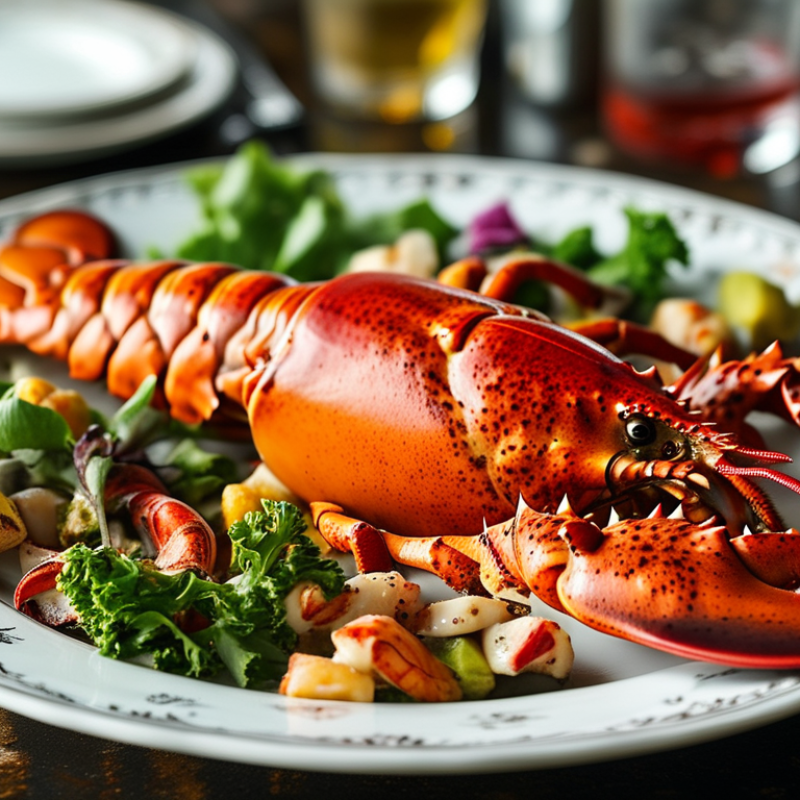
How to Choose the Best Lobster Plates for Your Business?

Factors to Consider When Choosing Lobster Plates for Your Business

Choosing lobster plates for your business can be a daunting task. You want plates that not only present the lobsters beautifully but also meet practical needs. Start by considering the size and shape. Plates should comfortably hold the lobster, with enough space for sides. A well-sized plate enhances the dining experience.

Material is another crucial factor. Opt for materials that are sturdy yet elegant. Melamine is durable and lightweight, whereas ceramic offers a classic touch. Remember that fragile materials can lead to breakage, affecting your operations.

Tips: Pay attention to the color and design. Neutral tones can highlight the lobster's natural colors. Seasonal patterns may draw customers’ attention. Always think about the cleanliness factor. Plates that are easy to clean save time and ensure hygiene. Lastly, involve your staff in the selection process. Their insights can reveal practical considerations you might overlook.

How to Choose the Best Lobster Plates for Your Business? - Factors to Consider When Choosing Lobster Plates for Your Business

Factor Description Importance Level
Material Consider durability and heat resistance. Common materials include ceramic, glass, and melamine. High
Size Must accommodate the size of the lobster and presentation style. Medium
Design Choose a design that enhances the dining experience and theme of your restaurant. High
Ease of Cleaning Materials and designs should allow for easy cleaning and maintenance. Medium
Cost Price should fit within your budget while maintaining quality. High
Brand Reputation Choose brands with a history of reliability and quality in food service products. Medium

Material Options: Durability and Aesthetic Appeal in Lobster Plates

When selecting lobster plates for your business, material matters significantly. Many choices exist, each with unique qualities. For instance, ceramic plates often provide an elegant look. They can elevate dining experiences but may chip easily, requiring careful handling.

On the other hand, stainless steel offers exceptional durability. It withstands high-pressure use and resists corrosion.

Aesthetics play a vital role in attracting customers. Wooden lobster plates can evoke a rustic charm, ideal for coastal-themed restaurants. However, they need more upkeep to prevent warping and staining. Plastic plates are light and manageable but may lack the sophistication of other materials. They are also prone to scratching, which can detract from their initial appeal.

Choosing lobster plates means finding a balance between durability and aesthetics. Each material option has its pros and cons. Familiarizing yourself with these factors is key. Customers notice the details, and the right choice can enhance their dining enjoyment. The goal is to create a memorable experience while maintaining practicality.

Industry Trends: Popular Designs and Varieties of Lobster Plates

When selecting lobster plates for your business, it’s essential to consider current industry trends. Popular designs tend to focus on both aesthetics and functionality. Many chefs prefer plates that evoke a nautical theme. Colors like blue, white, or even coral can remind diners of the sea, enhancing their overall experience. Texture also plays a role. Plates with a textured finish can add a sensory element to dining.

Tips: Choose plates that have deep wells, allowing broth or sauce to nestle with the lobster. This can create a visually appealing presentation. Offering various sizes can cater to different portions, making your menu flexible.

Varieties of lobster plates vary greatly. Some establishments opt for traditional round plates, while others embrace modern asymmetrical shapes. Each design influences how the dish is perceived. It’s important to consider how the plate complements the lobster dish itself. Are your plates microwave-safe? Testing their durability can save money in the long run.

Tips: Consider the weight of your plates. Heavier plates can provide a sturdier feel, but may be cumbersome for servers. Experiment with samples before making a large purchase. Reflect on what works best for your establishment's theme and clientele.

Cost Analysis: Budgeting for Quality Lobster Plates in Restaurants

When budgeting for quality lobster plates in restaurants, it is essential to understand the initial investment versus potential returns. According to industry reports, a well-designed lobster plate can enhance customer experience and encourage repeat business. However, the price of high-quality materials typically ranges from $10 to $30 per plate. This can strain budgets, especially for new restaurants.

Finding that balance between cost and quality is tricky. Research shows that 73% of diners consider presentation vital. Investing in durable, aesthetically pleasing lobster plates can yield significant returns. Cheaper plates may save money upfront, but they often lead to lower customer satisfaction. For example, a restaurant that uses subpar plates may face increased breakage and higher replacement costs over time.

Moreover, it's important to account for ongoing costs. Quality plates require care and maintenance. Cleaning and storage should be factored into overall expenses. Some establishments may overlook these details, leading to unexpected financial strain. Exploring options like bulk purchasing can help mitigate costs while ensuring the plates fit the restaurant's brand identity. Balancing aesthetics with functionality remains a challenge that needs to be addressed continuously.

Cost Analysis of Lobster Plates for Restaurants

Supplier Selection: Evaluating Lobster Plate Manufacturers and Brands

When selecting lobster plate manufacturers, start by assessing their experience and reputation in the industry. Look for suppliers with a solid history of providing high-quality products. According to a recent market report, businesses that prioritize supplier reliability see a 30% drop in operational issues. This indicates that choosing a reputable manufacturer is crucial.

Evaluate the materials and production processes used by potential suppliers. Many offer options made from sustainable materials, catering to eco-conscious consumers. Data from the Seafood Industry Association shows that 65% of customers prefer environmentally friendly products. This preference underscores the importance of selecting brands committed to sustainable practices.

Additionally, consider the flexibility of suppliers in meeting your specific needs. Not every brand will align with your business model. Some manufacturers may not accommodate small batch orders, which could lead to overstock or wastage. Reflecting on your business's unique demands can guide you toward a more suitable partner.

FAQS

: What should I consider when choosing lobster plates?

: Focus on size and shape to comfortably hold lobsters and sides. This improves the dining experience.

What material is best for lobster plates?

Durable materials like melamine or ceramic are ideal. They offer a balance of sturdiness and elegance.

Are there specific colors or designs to consider?

Neutral tones highlight lobster colors. Seasonal patterns can attract customers' attention.

How important is cleanliness in selecting plates?

Easy-to-clean plates save time and ensure hygiene. This is crucial in a dining setting.

Should I involve my staff in the selection process?

Yes, their insights can reveal practical considerations that you might not notice.

What are the downsides of ceramic lobster plates?

Ceramic plates look elegant but may chip easily, requiring careful handling to minimize breakage.

What about wooden lobster plates?

Wooden plates offer rustic charm but need more upkeep to avoid warping and staining over time.

Do plastic plates have any advantages?

They are lightweight and easy to manage. However, they may lack sophistication and can scratch easily.

How can material choice affect customer experience?

Each material has pros and cons. The right choice enhances the dining experience while maintaining practicality.

What if I choose the wrong plates?

Selecting the wrong plates can impact operations and customer satisfaction. Reflecting on choices is essential.

Conclusion

When selecting the best lobster plates for your business, several critical factors come into play. The material of the plates is fundamental, as it affects both their durability and aesthetic appeal, ensuring they withstand the rigors of a bustling restaurant environment while enhancing the overall dining experience. It's also important to stay attuned to industry trends, as popular designs and varieties of lobster plates can influence customer satisfaction and dining ambiance.

Furthermore, conducting a thorough cost analysis is essential for budgeting effectively, ensuring that quality lobster plates align with your financial plans. Lastly, selecting the right supplier is crucial; evaluating potential manufacturers and brands can help you find options that meet your specific needs for aesthetics and durability while remaining cost-effective. Ultimately, choosing the right lobster plates will enhance your service and attract more patrons to your establishment.


Sienna

Sienna

Sienna is a skilled marketing professional with a deep expertise in our company’s core products and services. With a passion for innovation and detail, she plays a pivotal role in crafting insightful blog posts that not only highlight the unique features of our offerings but also provide valuable......