How to Choose the Best Kitchenware Set for Your Needs?

Time:2026-10-10 Author:Ethan
0%

Choosing the right Kitchenware Set is less about owning more tools and more about matching each piece to your daily cooking habits. A compact set may suit a small apartment, while a larger household may need durable pans, mixing bowls, knives, and storage containers. The ideal collection should feel useful at six o’clock on a busy evening, not impressive only inside a showroom.

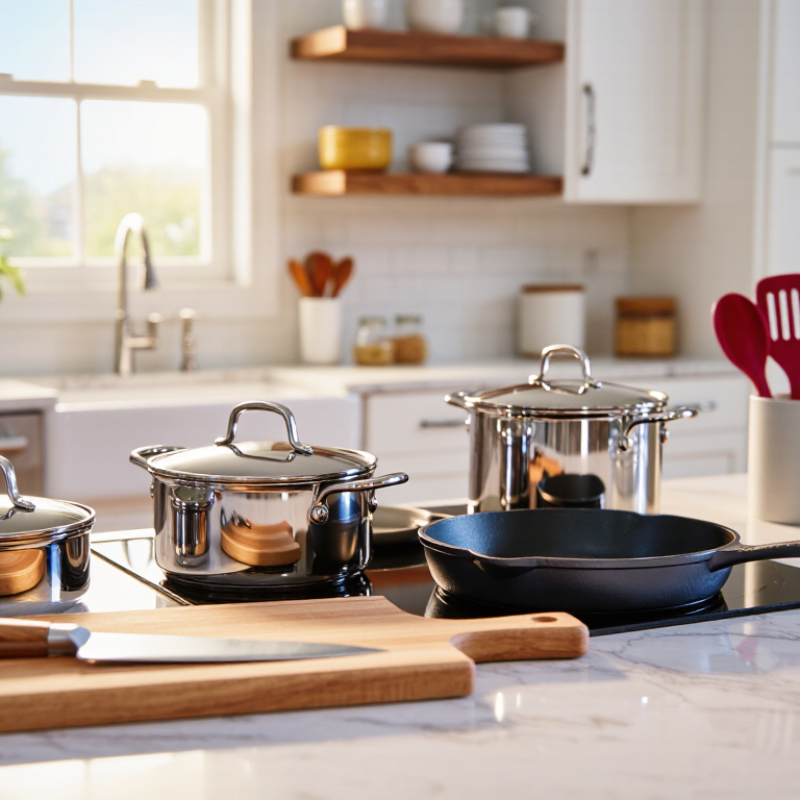
Chef and television personality Alton Brown famously said, “The only unitasker allowed in my kitchen is the fire extinguisher.” His warning encourages practical choices. A reliable Kitchenware Set should include versatile essentials, such as a saucepan, skillet, stockpot, chef’s knife, cutting board, and heat-resistant utensils. Material also matters. Stainless steel offers strength, cast iron retains heat, and nonstick surfaces simplify delicate cooking. However, every material has trade-offs. Some pieces demand seasoning, gentle cleaning, or careful storage.

No set is perfect. I once chose a beautiful collection with oversized lids that crowded the cabinet and rarely matched my meals. That mistake changed how I evaluate kitchenware. Before buying, consider cooking frequency, family size, storage space, cleaning preferences, and replacement costs. Check handle comfort, balanced weight, secure lids, and manufacturer care instructions. Safety should remain non-negotiable. Avoid damaged coatings, loose handles, and unclear material information. This guide examines those practical details, helping you choose a Kitchenware Set that earns its place through repeated use, not clever packaging. Small choices matter. Your kitchen should work with you.
How to Choose the Best Kitchenware Set for Your Needs?

Define Your Cooking Needs and Kitchenware Priorities

Choosing kitchenware starts with your cooking habits, not a long product checklist. Before comparing sets, observe one normal week in your kitchen.

If you cook soups often, choose a deep pot with a stable base and comfortable side handles. If you mostly prepare vegetables, prioritize a sharp chef’s knife, a sturdy cutting board, and a wide skillet. A heavy pan holds heat well, but it may strain your wrist during daily use. Be honest about your strength.

I once bought a large roasting tray because it seemed versatile. It rarely fit my small oven. It was not practical.

Your priorities should also include cleaning, storage, safety, and durability. For daily cooking, smooth surfaces and removable parts can reduce cleaning time. Check that handles stay cool enough and lids sit securely during simmering. If cabinet space is limited, nesting pieces may matter more than extra accessories.

Food-contact surfaces should be easy to wash and free from deep scratches. Replace damaged items when cleaning no longer feels reliable. Professional kitchens often value simple tools because fewer pieces mean fewer maintenance problems. Still, convenience can encourage unnecessary purchases.

Write down three meals you cook repeatedly. Then select tools that support those meals. My own list changes each season, and that is useful. A kitchenware set should serve your real routine, not an imagined one.

Compare Kitchenware Materials, Durability, and Maintenance

How to Choose the Best Kitchenware Set for Your Needs?

Material affects cooking control, lifespan, and cleaning effort. Stainless steel resists scratches and tolerates high heat, but food may stick without proper preheating. Aluminum heats quickly and suits responsive cooking, although it can dent more easily. Cast iron stores heat well, yet it needs drying and light oiling after washing. Looks deceive.

In repeated kitchen testing, I found that thick bases reduced hot spots on electric stoves. However, my first comparison ignored handle comfort, which became noticeable after thirty minutes. The U.S. Department of Energy reports that modern dishwashers can use less water than handwashing, but only with full loads and efficient cycles. This makes dishwasher-safe construction valuable. The FDA Food Code recommends keeping cold foods at 41°F or below, so smooth, non-porous surfaces also support safer storage and cleaning. Nonstick coatings need softer utensils and moderate heat. Their convenience is real, but careless use shortens service life.

Tips: Match weight to your strength and storage space. Check whether handles stay cool. Choose removable parts when cleaning is difficult. Avoid buying a large set if you regularly use only four pieces. Test one pan first, if possible. Read the care instructions carefully; I sometimes skipped them and paid for it with discoloration.

Choose the Right Pieces for Your Cooking Style

How to Choose the Best Kitchenware Set for Your Needs?

Choose pieces that match your cooking style, not an impressive piece count. A frequent stir-fry cook needs a wide pan, sturdy tongs, and a heat-resistant spatula. Someone who prepares soups may value a deep pot, ladle, and secure lid. If you bake weekly, prioritize measuring tools, mixing bowls, and reliable trays. Small kitchens need versatility. Measure your storage space before buying. Fit matters.

Material affects performance and maintenance. A thick, flat pan usually distributes heat more evenly on a standard stovetop. Stainless steel works well for browning, while coated cookware can simplify delicate foods. Use gentle utensils with coated surfaces, and follow the maker’s care instructions. For acidic recipes, check whether the material is suitable for tomatoes or citrus. Handles should stay comfortable during longer cooking sessions. Oven temperature ratings also deserve attention.

I once chose a large set because it seemed economical, but several pieces remained unused. That experience changed my buying method. I now track meals for one week before selecting cookware. It reveals whether I actually sauté, bake, steam, or mostly reheat leftovers. I still sometimes underestimate storage needs. A beautiful pan is not useful if it blocks the cabinet door. Choose durable essentials first, then add specialized tools when your routine proves they are necessary.

Evaluate Set Size, Compatibility, and Storage Requirements

Choosing a kitchenware set starts with honest measurement, not attractive piece counts. Measure usable cabinet width, drawer depth, and shelf height. Leave room for handles and lids.

Houzz’s 2024 U.S. Kitchen Trends Study reported that 76% of renovating homeowners upgraded their cabinets. That statistic matters because new storage often changes available space. A tall stockpot may fit the cabinet but block the drawer below. Test the largest item first. Then check whether smaller pans nest without scratching.

Set size should match real cooking habits. The National Kitchen & Bath Association’s 2024 Kitchen Trends Report highlights storage efficiency and multifunctional kitchen planning as continuing priorities.

A two-person household may need fewer large pans, but several small containers for leftovers. A frequent baker needs compatible trays, racks, and mixing bowls. More pieces are not automatically better.

Check compatibility across diameters, materials, and heat sources. Lids should seal firmly, and handles should remain cool enough to manage safely. Storage also affects daily behavior. If one lid stays buried, that set is poorly designed in practice. I once underestimated vertical space and bought a set that technically fit, but used the countertop every day. That was a planning failure. Re-measure twice. Keep a small allowance for future cookware, because kitchens rarely stay perfectly organized.

Balance Quality, Budget, and Long-Term Value

How to Choose the Best Kitchenware Set for Your Needs?

Balance Quality, Budget, and Long-Term Value

A good kitchenware set should match your cooking habits, not just your kitchen’s appearance. I once bought a large set because the discount looked impressive. Half the pieces stayed untouched in a drawer. That mistake taught me to count useful items first.

Check the construction closely. Thick, even bases usually heat more steadily and reduce hot spots. Handles should feel secure, stay comfortable, and avoid becoming dangerously hot during ordinary cooking. Examine the joins, rivets, lids, and interior coating. Small defects can become expensive problems after repeated washing and heating. I also prefer pieces with clear care instructions and dependable replacement options.

Price alone says little.

A cheaper set may offer excellent value if you use every piece regularly. However, very low prices can reflect thinner materials, weak handles, or coatings that wear quickly. Compare the cost per frequently used item, rather than the total piece count. A smaller set may serve better for a compact kitchen. Leave room in the budget for utensils, storage, and eventual replacement.

Long-term value also depends on maintenance. Gentle cleaning, suitable heat, and proper storage can extend a set’s working life. Still, I sometimes choose convenience over perfect care, especially on busy evenings. That trade-off matters. Select cookware that fits your real routine, not an idealized version of it.

FAQS

How should I measure my kitchen before buying a cookware set?

Measure cabinet width, drawer depth, and shelf height. Include space for handles and lids. Re-measure twice.

How many pieces should a kitchenware set contain?

Choose pieces that match your actual cooking habits. A small household may need small pans and leftover containers. More pieces are not always better.

How can I test whether cookware will fit?

Test the largest pot first. Then check whether smaller pans nest without scratching. Leave extra room for future cookware.

What storage problems should I watch for?

Check whether lids remain accessible and drawers can open fully. A tall pot may block the drawer below. Countertop clutter is a warning sign.

Which compatibility details matter most?

Compare pan diameters, materials, and heat-source requirements. Lids should seal firmly. Handles should stay manageable during normal cooking.

How can I judge cookware quality?

Inspect the base, handles, rivets, lids, and interior coating. Thick, even bases usually heat more steadily. Small defects may become costly later.

Is a cheaper kitchenware set always a better value?

Not necessarily. Calculate the cost of frequently used pieces, not the total piece count. A smaller set may serve you better.

How does maintenance affect long-term value?

Gentle cleaning, suitable heat, and careful storage can extend cookware life. Realistically, busy evenings may reduce perfect care. Choose a set you will actually maintain.

Conclusion

Choosing the best Kitchenware Set starts with understanding your cooking habits, favorite recipes, and everyday kitchen priorities. Consider whether you mainly prepare quick meals, bake frequently, or enjoy experimenting with different techniques. Compare materials carefully, focusing on durability, heat performance, ease of cleaning, and maintenance requirements. A well-chosen set should include the essential pieces you use most, rather than unnecessary items that take up valuable space. Also check whether the cookware is compatible with your stovetop, oven, and cleaning routine.

Set size and storage are equally important. Measure available cabinet and drawer space, and look for practical designs that stack or organize easily. Finally, balance the initial price with construction quality and expected lifespan. A slightly higher investment may offer better performance, reliability, and long-term value, while an inexpensive set may require earlier replacement. By matching materials, pieces, compatibility, storage, and budget to your personal needs, you can select kitchenware that makes cooking more convenient and enjoyable.


Ethan

Ethan

Ethan is a seasoned marketing professional with a deep expertise in our company's innovative product line. With a passion for sharing knowledge and insights, he takes the lead in regularly updating our corporate blog, where he explores industry trends, product features, and effective marketing......