How to Source Asian Kitchenware in 2026?

Time:2026-10-15 Author:Sienna
0%

Sourcing Asian Kitchenware in 2026 requires more than comparing factory prices. It requires evidence, cultural awareness, and disciplined supplier verification. Grand View Research valued the global cookware market at approximately USD 19.8 billion in 2023. It also projects steady growth through 2030. Meanwhile, Euromonitor International reports that Asian consumers remain highly sensitive to value, durability, and household convenience.

The figures are not perfectly comparable. Definitions differ across reports. That matters.

Fuchsia Dunlop, a respected authority on Chinese food culture, has said, “Food is a way of understanding a culture.” Her observation also applies to kitchen tools. A wok, bamboo steamer, rice paddle, or stainless-steel cleaver reflects cooking habits, serving rituals, and material preferences. Buyers should study those details before placing an order.

A reliable 2026 sourcing process should examine factory experience, product testing, food-contact compliance, packaging strength, and production consistency. Request recent audit records. Check whether stainless steel grades match the specification. Test handles, coatings, lids, and seams under realistic kitchen conditions. A polished sample proves little.

Trade data from UN Comtrade can help compare export patterns, but it cannot confirm supplier quality. That requires factory visits, third-party inspections, and documented corrective actions. Product photos are useful. They are not proof.

Sourcing decisions also need a practical landed-cost model. Include tooling, cartons, duties, freight, inspections, and rejected units. Low quotations can become expensive later. Sometimes, the cheapest supplier is simply the least transparent.

This guide explores where to source Asian Kitchenware, how to assess manufacturers, and which questions deserve uncomfortable answers before signing a purchase agreement.
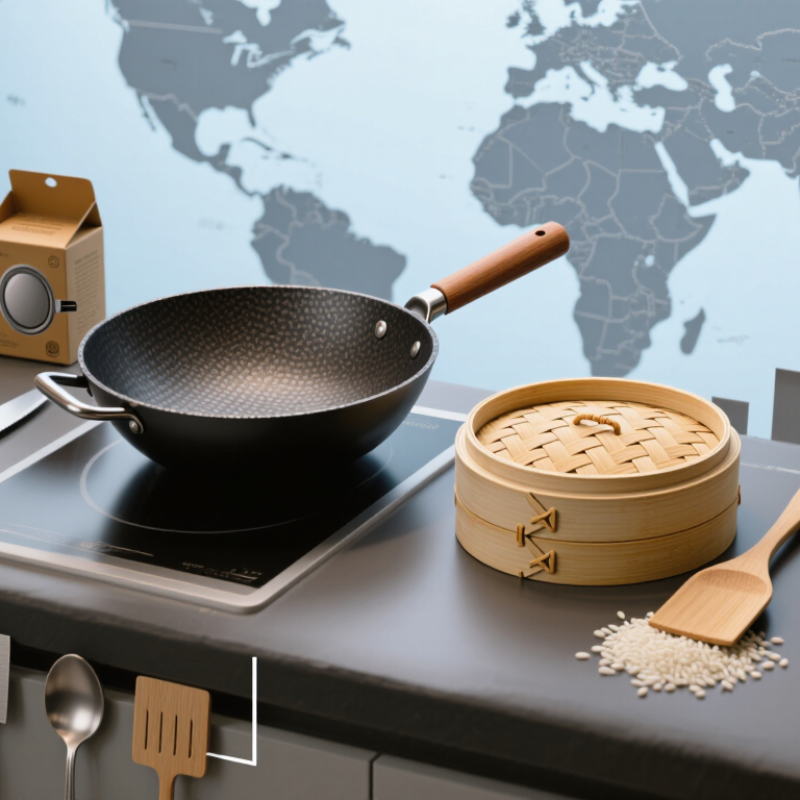
How to Source Asian Kitchenware in 2026?

Define Your Asian Kitchenware Sourcing Requirements

Define your Asian kitchenware sourcing requirements before contacting suppliers. “Asian” covers many traditions, materials, and cooking methods. A Japanese-style ceramic bowl differs greatly from a stainless-steel wok. Describe the intended user, cooking technique, serving size, and sales market. Include measurements, weight limits, color references, and acceptable tolerances.

My first sourcing brief was too vague. It requested “durable traditional cookware” without defining durability. That created inconsistent samples and wasted time. Now, I specify the material grade, heat resistance, coating requirements, handle structure, and food-contact expectations. For ceramic items, I request glaze information, firing details, and test reports for relevant heavy metals. For bamboo or wood products, I ask about moisture control, finish, and treatment records.

Think beyond the product itself. Set your target cost, minimum order quantity, sample budget, lead time, carton dimensions, and packaging protection. A thin inner box may look efficient, but it can fail during transport. Request photos of packed goods and a pre-shipment inspection plan. Confirm whether the supplier can provide traceable documents, consistent batch records, and clear replacement terms. Ask for pilot quantities before placing larger orders. This costs more upfront. It may reveal weak handles, uneven rims, or unclear measurements. Leave room for improvement in the specification, because real samples often challenge assumptions.

How to Source Asian Kitchenware in 2026?

Define Your Asian Kitchenware Sourcing Requirements

Before contacting suppliers, assign clear priorities to your sourcing requirements. This 100-point purchasing model places the greatest emphasis on food-contact safety and material durability, followed by minimum order quantity, lead-time reliability, customization, and sustainable packaging.

Research Key Asian Manufacturing Markets and Product Categories

How to Source Asian Kitchenware in 2026?

Research should begin with product categories, not factory lists. China remains strong for stainless steel tools, cookware, storage items, and high-volume household goods. Vietnam offers growing capacity in bamboo, wood, ceramics, and selected metal products. India is useful for cast iron, stainless steel, copper, and hand-finished utensils. Thailand has practical experience with food containers, rubber-based items, and molded kitchen accessories. Japan and South Korea suit precision goods, premium ceramics, and specialized equipment, although costs may be higher.

Match each category with the right manufacturing environment. A ceramic supplier should show kiln records, glaze testing, and breakage controls. A metal supplier needs material certificates, weld inspection, and surface-finish checks. For silicone products, request food-contact test reports and temperature data. Small appliances require electrical safety reviews, factory audits, and clear warranty procedures. Never rely on product photos alone.

Details matter. Ask for a sample made with the final material, not a showroom substitute. Check handle strength, lid fit, carton protection, and odor after washing. I once underestimated packaging space, which increased shipping costs and caused avoidable damage. That mistake still influences my sourcing checklist. Supplier communication can also be uneven. Written specifications, inspection points, and payment milestones reduce confusion. Verify certificates with independent laboratories when the order is important. A low quotation may hide weak testing, unstable capacity, or expensive rework.

How to Source Asian Kitchenware in 2026? Research key Asian manufacturing markets and product categories using materials, processes, standards, and sourcing-fit indicators.
Manufacturing Market Key Product Categories Common Materials Typical Manufacturing Capabilities Relevant HS-4 Product Codes Main Sourcing Advantages Important Quality and Compliance Checks Best Fit for Buyers
China Cookware Cutlery Ceramics Glassware Plastic storage Stainless steel
Aluminium
Cast iron
Borosilicate glass
Porcelain
PP, PE, silicone
Large-scale stamping, deep drawing, die casting, forging, injection moulding, ceramic firing, glass forming, coating, polishing, and private-label packaging. 7323 – Iron or steel tableware
7615 – Aluminium tableware
6912 – Ceramic tableware
7013 – Glassware
3924 – Plastic tableware
Broadest supplier and process coverage in Asia; strong tooling ecosystem; suitable for both standard products and complex multi-material sets. Verify food-contact declarations, coating durability, nickel and lead release, dimensional tolerances, packaging drop resistance, and batch traceability. High-volume programs, broad assortments, complex product development, and consolidated purchasing.
India Stainless cookware Aluminium cookware Cast iron Brassware Wooden utensils Stainless steel
Aluminium
Cast iron
Brass
Acacia, mango, and rubber wood
Metal spinning, pressing, forging, casting, hand finishing, polishing, wooden turning, laser engraving, and small-to-medium batch production. 7323 – Iron or steel tableware
7615 – Aluminium tableware
7418 – Copper-base tableware
4419 – Wooden tableware
Established metalworking base; strong capability in stainless-steel utensils, traditional cookware, handcrafted finishes, and natural-material products. Check alloy composition, food-contact surface roughness, coating adhesion, heavy-metal migration, wood moisture content, fumigation, and finish consistency. Metal utensils, heritage-style cookware, handcrafted collections, and differentiated natural-material ranges.
Vietnam Ceramics Bamboo products Wooden utensils Stainless items Glassware Stoneware
Porcelain
Bamboo
Acacia and rubber wood
Stainless steel
Soda-lime glass
Ceramic slip casting and firing, wood turning, bamboo lamination, metal forming, glazing, hand decoration, and export-oriented packaging. 6912 – Ceramic tableware
4419 – Wooden tableware
4602 – Basketwork and wickerwork
7323 – Iron or steel tableware
7013 – Glassware
Competitive production for ceramic and natural-material kitchenware; suitable for design-led collections and diversified Asian sourcing. Check glaze and decoration migration, kiln consistency, moisture and mould control, timber legality documentation, splintering, and carton strength. Tableware collections, eco-positioned products, wooden accessories, and retailers seeking supply-chain diversification.
Thailand Ceramic tableware Food containers Stainless cookware Glassware Silicone goods Stoneware
Porcelain
Stainless steel
Soda-lime glass
Silicone and polypropylene
Ceramic forming and glazing, glass forming, stainless fabrication, injection moulding, silicone moulding, and decorative finishing. 6912 – Ceramic tableware
7013 – Glassware
7323 – Iron or steel tableware
3924 – Plastic tableware
Well-developed food, hospitality, ceramic, and packaging supply chains; practical option for mid-range and design-oriented tableware. Test glaze, pigment, silicone odour, heat resistance, dishwasher performance, food-contact migration, and packaging protection. Hospitality tableware, coordinated ceramic ranges, food-storage products, and medium-volume programs.
Indonesia Wooden utensils Bamboo goods Rattan storage Ceramics Coconut-shell items Teak and rubber wood
Bamboo
Rattan
Coconut shell
Stoneware
Wood carving and turning, bamboo and rattan weaving, coconut-shell processing, ceramic firing, hand finishing, and small-batch assembly. 4419 – Wooden tableware
4602 – Basketwork and wickerwork
6912 – Ceramic tableware
9602 – Worked vegetable or mineral carving materials
Strong access to natural and renewable materials; suitable for artisanal designs, kitchen organizers, serving pieces, and home-focused collections. Confirm legal timber sourcing, moisture content, pest treatment, food-safe finishes, fibre shedding, odour, mould resistance, and shipment protection. Natural-material collections, rustic or handcrafted ranges, kitchen organization, and lifestyle-oriented products.
Japan Premium knives Ceramics Enamelware Specialty cookware Precision tools Carbon steel
Stainless steel
Porcelain
Stoneware
Enamel-coated steel
Wood
Precision forging, heat treatment, grinding, sharpening, ceramic firing, enamel coating, lacquer finishing, and high-control inspection. 8211 – Knives
7323 – Iron or steel tableware
6912 – Ceramic tableware
7323 – Enamelled iron or steel household articles
Strong reputation for precision, finish quality, material control, and specialized craftsmanship in premium kitchen tools and tableware. Check hardness and edge retention, corrosion resistance, handle attachment, glaze migration, enamel chipping, care instructions, and authenticity of material claims. Premium positioning, specialist culinary tools, giftable products, and quality-led limited collections.
South Korea Stainless tableware Cookware Food containers Silicone tools Small appliances Stainless steel
Aluminium
Tempered glass
Silicone
Polypropylene
Heat-resistant plastics
Precision metal forming, multi-layer cookware fabrication, injection moulding, silicone moulding, electronic assembly, and product-focused packaging. 7323 – Iron or steel tableware
7615 – Aluminium tableware
3924 – Plastic tableware
8516 – Domestic electrothermic appliances
Strong engineering, functional design, materials development, and quality-control systems for modern kitchen tools and storage products. Verify electrical safety where applicable, food-contact compliance, heat cycling, seal performance, plastic odour, silicone migration, and user-safety instructions. Functional innovation, premium storage, modern cookware, and technically differentiated kitchen products.
Taiwan Kitchen tools Cookware components Plastic storage Silicone tools Small appliances Stainless steel
Aluminium
Engineering plastics
Silicone
Glass
Electronic components
Precision moulding, CNC machining, metal stamping, silicone moulding, component integration, electronics assembly, and export packaging. 3924 – Plastic tableware
7323 – Iron or steel tableware
7615 – Aluminium tableware
8516 – Domestic electrothermic appliances
Strong precision manufacturing, tooling, plastics engineering, and component supply for functional and technology-enabled kitchen products. Check dimensional accuracy, seal life, thermal performance, electrical certification, food-contact declarations, and compatibility between assembled components. Precision components, innovative kitchen tools, storage systems, and small electrical appliances.
Malaysia Rubber kitchen tools Plastic storage Stainless items Gloves and accessories Electrical products Natural and synthetic rubber
Polypropylene
Polyethylene
Stainless steel
Silicone
Tempered glass
Rubber compounding and moulding, injection moulding, extrusion, metal fabrication, assembly, and packaging for food and household applications. 4016 – Other articles of vulcanised rubber
3924 – Plastic tableware
7323 – Iron or steel tableware
8516 – Domestic electrothermic appliances
Established polymer, rubber, electronics, and food-processing supply chains; useful for durable, hygienic, and functional kitchen accessories. Test extractables and leachables, odour, tear strength, compression set, heat resistance, plastic migration, electrical safety, and colour stability. Food-grade rubber and plastic accessories, durable household products, and technical kitchen components.
Bangladesh Jute storage Textile kitchenware Bamboo goods Ceramics Metal utensils Jute
Cotton
Bamboo
Ceramic materials
Stainless steel
Aluminium
Textile weaving and sewing, jute processing, bamboo construction, ceramic production, metal forming, hand finishing, and packaging assembly. 6307 – Other made-up textile articles
4602 – Basketwork and wickerwork
6912 – Ceramic tableware
7323 – Iron or steel tableware
Competitive textile and natural-fibre production; suitable for kitchen organizers, reusable textile goods, baskets, and value-focused collections. Check fibre composition, colourfastness, formaldehyde and azo-dye restrictions, moisture and mould control, stitching strength, and food-contact suitability. Textile organizers, reusable kitchen accessories, baskets, and cost-sensitive natural-fibre products.
Research and sourcing note: HS codes are four-digit international product classifications used as a starting point for customs research; final classification depends on product construction and destination-country rules. Food-contact products should be assessed against the regulations of the target market, such as applicable United States FDA requirements, European Union Regulation (EC) No. 1935/2004, relevant plastics and ceramic migration rules, and destination-specific labelling and testing requirements. Manufacturing capabilities and buyer-fit ratings are market-level sourcing indicators rather than guarantees for every individual supplier.

Evaluate Suppliers, Certifications, Quality, and Production Capacity

Sourcing Asian kitchenware in 2026 requires more than comparing unit prices. I assess suppliers through factory records, product samples, and direct communication. A reliable supplier should explain ownership, production location, export experience, and subcontracting practices. I also request recent food-contact test reports for materials such as stainless steel, silicone, ceramic, and plastic. Certificates matter, but their scope and issuing laboratory matter more. An expired document proves little.

Quality evaluation should begin with a written specification. It should define dimensions, material grades, coating thickness, color tolerance, packaging, and acceptable defect levels. I compare pre-production samples with mass-production samples. Small details reveal problems: uneven welds, sharp edges, loose handles, unpleasant odors, or lids that fail after repeated use. Independent inspections can check quantity, workmanship, carton strength, and random function tests. Even then, sampling cannot reveal every hidden defect.

Production capacity must be measured, not simply promised. Ask for monthly output, current orders, equipment numbers, staffing levels, and realistic lead times during peak seasons. A factory may claim high capacity while relying heavily on outside workshops. That is worth questioning. I prefer suppliers who share a clear production schedule and a contingency plan for material shortages. My own evaluations are not perfect; a successful sample order can create false confidence. Regular inspections, documented corrective actions, and honest conversations remain necessary after the first shipment. Small mistakes are often expensive lessons.

Compare Pricing, Minimum Orders, Logistics, and Import Regulations

How to Source Asian Kitchenware in 2026?

Pricing is only the visible part of kitchenware sourcing. Compare product cost, tooling, packaging, inspection, inland transport, and customs duties. The International Trade Centre notes that tariff treatment varies by product classification and destination. Therefore, confirm the correct HS code before requesting quotations. A cheap unit price can hide expensive compliance work.

Minimum orders deserve practical testing. Many suppliers quote 500 to 3,000 pieces, but lower quantities may increase unit prices sharply. Request samples from the same production line, not showroom pieces. Check dimensions, coating durability, food-contact declarations, and carton strength. Small orders can sting. A pilot shipment may still protect cash flow better than a large untested purchase.

Logistics require more than choosing sea freight. UNCTAD’s Review of Maritime Transport reports that ships carry over 80% of global merchandise trade by volume. Yet port congestion, transshipment delays, and seasonal capacity changes can affect delivery dates. The World Bank’s 2023 Logistics Performance Index also shows meaningful differences in customs efficiency and shipment reliability across markets. Build a buffer into inventory plans.

Import regulations must be reviewed before production. Food-contact products may require migration testing, material declarations, labeling, and traceability records. Requirements differ between the European Union, the United States, and other destinations. Keep invoices, packing lists, certificates, test reports, and origin records consistent. I would not rely on a supplier’s verbal assurance. It sounds efficient, but it is difficult to defend during an inspection. A spreadsheet can still mislead when freight and compliance costs are missing.

Build a Reliable Sourcing and Quality Control Process

Asian kitchenware sourcing in 2026 requires more than comparing factory quotations. Build a documented quality system before placing a purchase order. The World Bank’s 2023 Logistics Performance Index gathered evidence from more than 4,000 supply-chain professionals and assessed customs, tracking, infrastructure, and delivery reliability. Use these factors when selecting a production location. A low unit price means little if containers arrive late or cartons lack batch information.

Start with a detailed product specification. Include steel grade, coating thickness, heat resistance, dimensions, packaging strength, and acceptable defect limits. Request material declarations and food-contact test reports from qualified laboratories. Then approve a golden sample. Keep it physically, not only as a digital image. Inspect the first production run before shipment, checking handles, welds, edges, surface marks, and carton compression. ISO’s 2022 Survey recorded more than 1.2 million ISO 9001 certificates worldwide, but certification alone does not guarantee consistent kitchenware. Audit the actual process.

Small details expose weak controls. Check ten cartons from different pallet positions. Record photographs, measurements, and inspector signatures. Use random sampling for every batch. I once trusted a flawless sample and missed uneven coating on later units. That mistake was expensive. Suppliers should explain root causes, corrective actions, and retesting dates. A shared defect log also reveals recurring problems across factories. Do not accept vague promises. Demand evidence. Recognize that inspection plans can still fail, especially when specifications are unclear or production changes without notice.

FAQS

What costs should buyers compare when sourcing kitchenware?

Compare unit price, tooling, packaging, inspection, inland transport, freight, duties, and compliance testing. A low quotation may hide expensive documentation or customs work. Calculate the delivered cost, not only the factory price.

How can buyers choose a practical minimum order quantity?

Common minimum orders range from 500 to 3,000 pieces. Lower quantities may raise unit prices sharply. A small pilot shipment can protect cash flow before a larger commitment. Small orders hurt.

Why should samples come from the production line?

Showroom samples may not represent actual production quality. Request samples made on the intended line. Check dimensions, coating durability, food-contact documents, and carton strength. Keep the approved physical sample for comparison.

What should buyers confirm before requesting quotations?

Confirm the correct HS code for each product and destination. Tariff treatment can vary by classification and market. Include material, size, finish, packaging, and testing requirements in the quotation request.

How can buyers reduce shipping delays?

Compare port reliability, customs efficiency, tracking quality, and inland transport conditions. Sea freight carries most global merchandise, but congestion and transshipment can delay delivery. Add inventory time as a buffer.

Which documents should remain consistent during import?

Keep invoices, packing lists, origin records, certificates, and test reports aligned. Food-contact products may require migration testing, material declarations, labels, and traceability records. Verbal assurances are weak evidence. Keep evidence.

What should a kitchenware quality specification include?

Define steel grade, coating thickness, heat resistance, dimensions, packaging strength, and defect limits. Approve a golden sample and inspect welds, handles, edges, surfaces, and cartons during production. Certification alone cannot prove consistent quality.

How should buyers inspect a production batch?

Use random sampling across different pallet positions and cartons. Record photographs, measurements, batch details, and inspector signatures. Log defects and require root causes, corrective actions, and retesting dates. I once trusted a perfect sample and missed uneven later coating. That assumption failed.

Conclusion

Sourcing Asian Kitchenware in 2026 requires a clear, structured approach that balances product quality, cost, compliance, and supply reliability. Begin by defining your requirements, including product types, materials, design preferences, target customers, order volumes, packaging, and quality standards. Then research suitable Asian manufacturing markets according to their strengths in ceramics, stainless steel, bamboo, glass, cookware, utensils, and other kitchen categories. Understanding regional capabilities can help you identify suppliers that match your product goals and commercial expectations.

Before placing an order, evaluate each supplier’s experience, certifications, production capacity, quality systems, and communication practices. Compare quotations alongside minimum order quantities, tooling costs, lead times, shipping options, duties, and import requirements rather than focusing only on unit price. Finally, establish a dependable sourcing process with written specifications, samples, pre-production confirmation, inspections, shipment checks, and documented corrective actions. This systematic approach can reduce risks, improve consistency, and create a more resilient Asian Kitchenware supply chain for long-term growth.


Sienna

Sienna

Sienna is a skilled marketing professional with a deep expertise in our company’s core products and services. With a passion for innovation and detail, she plays a pivotal role in crafting insightful blog posts that not only highlight the unique features of our offerings but also provide valuable......