As we approach 2026, the kitchenware set industry is evolving rapidly. According to culinary expert Sarah Thompson, “In the next few years, kitchenware sets will focus on sustainability and multifunctionality.” This insight highlights a significant shift in what consumers desire.
Home cooks increasingly seek items that combine aesthetics and practicality. The popularity of modular kitchenware sets is on the rise. Buyers appreciate items that save space while enhancing their cooking experience. Trends indicate a move towards eco-friendly materials, reflecting a growing awareness of environmental issues.
Moreover, innovation will redefine how we perceive kitchenware sets. Smart technology integration is becoming mainstream. However, consumers must consider durability and usability. With numerous options available, making informed choices is essential. The promise of stylish and sustainable kitchenware sets is exciting, yet it requires careful consideration and reflection on personal needs.
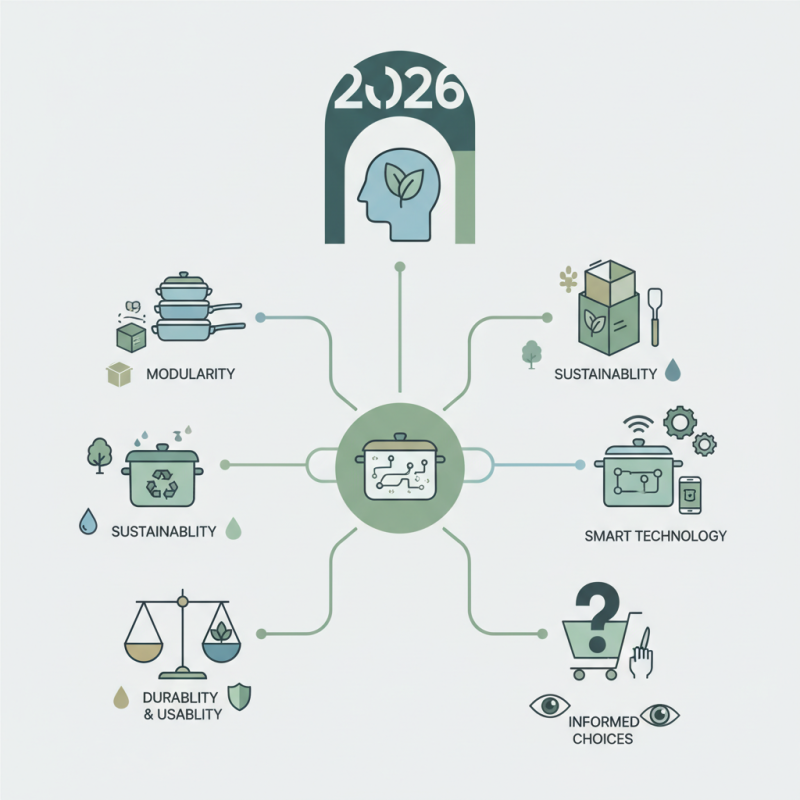
As we look ahead to 2026, kitchenware set trends are evolving significantly. One major shift is the emergence of innovative materials, transforming how we cook and serve. A recent industry report indicates that sustainable materials are expected to dominate, capturing about 45% of the market share. This is driven by consumer demand for eco-friendly options. Bamboo, recycled metals, and biodegradable plastics are gaining traction, appealing to environmentally conscious buyers.
Furthermore, non-toxic ceramic coatings are becoming popular for cookware. They provide high durability and resistance to scratching. Research shows that demand for ceramic-coated pans is projected to grow by 30% over the next four years. These materials not only enhance cooking performance but also align with health-conscious trends. However, some consumers remain skeptical about the longevity and safety of new materials, emphasizing the need for credible certifications.
Additionally, smart kitchenware is on the rise, integrating technology into everyday cooking. Items like temperature-sensing utensils might become mainstream by 2026, improving cooking accuracy. However, the complexity of these products raises questions about user-friendliness. As buyers weigh the benefits against potential drawbacks, the industry must prioritize clear communication about product features and safety. This dynamic landscape is both exciting and challenging for manufacturers and consumers alike.
: Consumers focus more on sustainability and reducing environmental impact in 2026.
Renewable materials like bamboo, glass, and recycled plastics are gaining popularity among buyers.
Look for certifications like "BPA-free" or "food-safe" to ensure safety and reliability.
Yes, higher-quality materials last longer and reduce waste, even if they cost more upfront.
Yes, items like stainless steel containers can replace plastic ones to minimize single-use products.
Earthy tones like olive green, terracotta, and soft beige are popular for a calming effect.
Many seek a balance between minimalist designs and craftsmanship that showcases individual preferences.
Yes, there's a growing desire for eco-friendly materials, influencing color and design decisions.
Vintage items are often durable and unique, helping reduce waste by extending product life.
Absolutely! Second-hand shops have unique finds that are often eco-friendly and sustainable.
As we look ahead to 2026, the kitchenware set market is set to embrace innovative trends that cater to modern buyers' needs. Emerging materials, including sustainable options, are becoming increasingly popular, reflecting a shift towards eco-friendly choices. Consumers are prioritizing sustainable practices in their kitchenware sets, aiming to reduce environmental impact while maintaining quality. Additionally, the integration of smart technology into kitchenware is enhancing cooking experiences by providing functionality that meets contemporary lifestyles.
Aesthetic preferences are also evolving, with color and design trends leaning towards minimalist yet vibrant options that complement stylish kitchens. Buyers are focusing on balancing functionality and style, seeking kitchenware sets that not only perform well but also enhance the visual appeal of their cooking spaces. Overall, the trends for kitchenware sets in 2026 emphasize a blend of sustainability, innovation, and aesthetic value, guiding consumers towards informed purchasing decisions.

 JIASHUN