Choosing the right Food Container Set can shape how smoothly your business handles preparation, storage, delivery, and service. In a busy kitchen, containers are more than storage tools. They protect portions, reduce spills, and keep ingredients easier to identify during rushed hours. A stack of matching containers can also free valuable shelf space. Small details matter.
Experienced food-service operators usually examine durability, lid security, capacity, and cleaning requirements before purchasing. A reliable set may include several sizes for sauces, salads, prepared meals, and bulk ingredients. Transparent walls help staff check contents quickly. Tight-fitting lids can support cleaner transport, especially when meals travel across town. Materials should suit the intended temperature range and follow the manufacturer’s care instructions.
The best choice depends on your menu, workflow, and customer expectations. A bakery may need shallow containers, while a meal-preparation company may prefer divided compartments. Buying the largest set is not always efficient. Some pieces may remain unused, occupying space and tying up money. That is worth considering.
A practical evaluation should include repeated opening, stacking, washing, and transport. Check whether lids still fit after regular use. Observe how easily labels adhere and remove. Ask staff for feedback, because they handle these containers every day. No container set solves every operational problem, but a thoughtful selection can create consistency, reduce avoidable waste, and support a more dependable customer experience.
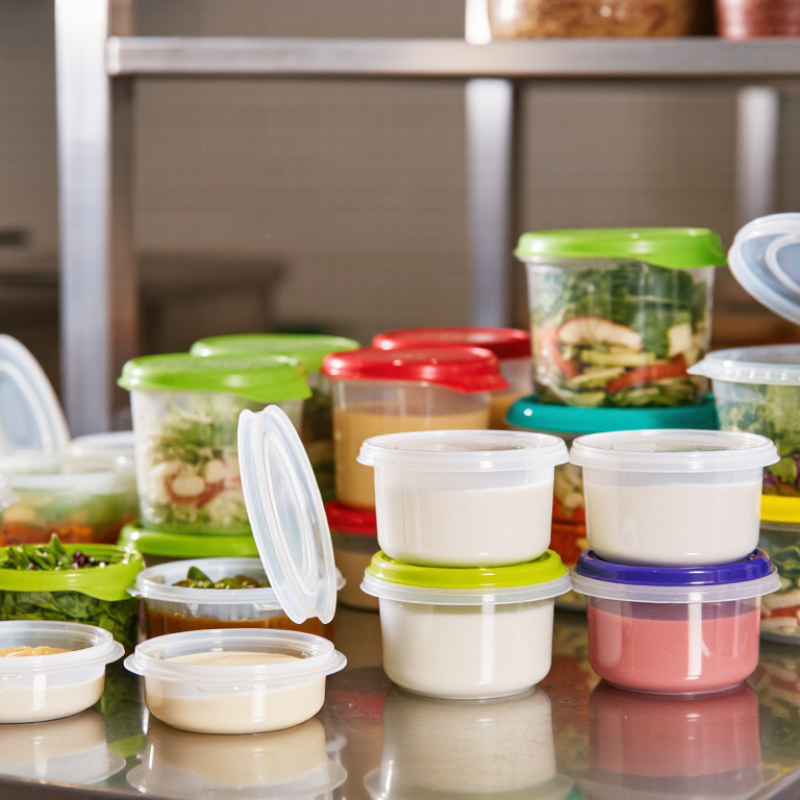
A food container set is a coordinated group of reusable containers and fitted lids for shared storage needs. Unlike a single box, it offers several sizes for ingredients, prepared meals, sauces, and leftovers. A practical set may include shallow trays, tall tubs, and compact portion containers. Each piece should close securely without forcing the lid. Good fit matters.
In a working kitchen, clear containers make contents easier to identify. Staff can check diced vegetables, cooked grains, or prepared sauces without opening every lid. Graduated markings can support portion control and reduce guesswork. Food-grade plastic, glass, or stainless steel may suit different operations. The right choice depends on heat exposure, storage space, cleaning equipment, and handling habits. Not every “complete” set is truly useful.
A reliable container set should tolerate repeated washing and regular movement between preparation areas and refrigerators. Smooth surfaces help staff clean corners thoroughly. Lids need separate inspection because warped edges can weaken the seal. Label space is also valuable for dates, contents, and staff instructions. In my view, stackability is often underestimated. A narrow shelf can quickly become crowded. One weak point remains: matching lids may become difficult to replace. Businesses should check replacement availability before purchasing, even when the initial set appears economical. Proper storage also prevents containers from collecting moisture after cleaning.
A food container set can support many businesses, but its value depends on daily operations. Restaurants benefit from matching containers for takeaway meals, sauces, and side dishes. Caterers can pack large orders with consistent sizes and secure lids. Meal-preparation services need stackable containers that fit refrigerators and delivery bags. Bakeries may prefer shallow boxes for pastries, while schools and care facilities often need clear portions and easy handling.
Tips: Choose several sizes, not one repeated shape. Check lid fit by hand. Test stacking with real food. A container that looks strong may bend under a warm meal. Also, review cleaning instructions and material suitability before regular use. Local food-safety requirements should guide your final selection.
Small food stalls can benefit too. Sets reduce guesswork during busy hours and make portion control easier. However, buying a large set is not always economical. Slow-selling items may leave unused containers on the shelf. That is a common mistake. Track weekly demand, storage space, and delivery volume before ordering. In practice, durable containers with readable capacity markings can improve staff consistency. They can also reduce spills when meals move across crowded counters, delivery vehicles, or event tables.
Why Choose a Food Container Set for Your Business?
How Food Container Sets Improve Storage and Operations
A coordinated food container set gives each ingredient a predictable place. Matching sizes stack neatly, leaving fewer gaps on refrigerator shelves. Transparent walls also help staff identify sauces, vegetables, and prepared meals without opening every container. Labels stay visible.
In a busy kitchen, this small change can reduce searching time during preparation. Containers with secure, compatible lids help limit spills while moving food between storage areas. Temperature-rated options support safer handling in refrigerators, freezers, and warming equipment when used according to their instructions. Staff can mark preparation dates and rotate older food first. Clear routines matter.
Sets also make cleaning and stock checks more consistent. Similar shapes fit washing racks better, and missing lids become easier to notice. A manager can count containers quickly before a shift begins. Less clutter helps workers keep raw and ready-to-eat foods separated. That detail deserves attention.
No system is perfect. A container set may still fail when lids warp, labels fade, or staff overfill them. I have seen organized shelves become confusing when one odd container enters the workflow. Regular inspections and simple storage rules keep the system reliable. Small details matter. Selecting durable materials, useful capacities, and easy-to-clean surfaces can improve daily operations without adding unnecessary complexity.
For a business, a food container set should match real service conditions, not just look attractive online. Before buying, evaluate daily portions, food types, delivery distances, and staff routines. A takeaway counter may need containers that open quickly, while a catering kitchen may prioritize larger capacities and secure lids. Measure storage shelves carefully. Small size differences can create expensive space problems.
Check the food-contact material, temperature range, and available safety documentation. Containers for hot meals should resist warping, while chilled products need reliable performance in cold storage. Test the lid with soup or sauce before placing a large order. Turn it upside down for five minutes. Five minutes reveals a lot. Also inspect whether containers remain clear, stable, and usable after repeated washing, if they are designed for reuse. Cleaning details matter more than impressive product photos.
Businesses should also assess stacking strength, labeling space, replacement availability, and carton dimensions. A container that stacks poorly can slow packing and increase storage costs. Calculate the full cost, including damaged units, lids, transport, and staff time. Request samples and test them during a busy shift. My first checklist once missed how easily wet hands affected lid handling. That small mistake changed the purchasing decision. Ask suppliers for consistent specifications and written test information. Not every perfect-looking lid stays perfect.
Choosing a food container set starts with your actual service routine, not the catalog photograph. Measure your portions, storage shelves, delivery bags, and washing capacity. A container that fits neatly under a prep table can save minutes during every shift. I have seen teams buy attractive sets that later waste space because the lids stack poorly. That mistake is expensive.
Match container sizes to your menu. Shallow pans cool food faster, while deeper containers suit soups and sauces. Use leak-resistant lids for delivery, but test them with warm liquid before ordering in bulk. The UNEP Food Waste Index Report 2024 estimates that 1.05 billion tonnes of food were wasted in 2022. Better portion control and clear storage can help reduce avoidable waste. They cannot solve every waste problem.
Material selection needs evidence. Request food-contact documentation, temperature limits, cleaning instructions, and replacement-part availability. For ready-to-eat time-controlled foods, the FDA Food Code 2022 generally allows seven days at 41°F or below, with preparation day counted as day one. Your local requirements may differ. Check them. Stainless steel offers durability, while suitable plastic may reduce weight and breakage. Neither option is automatically best. A practical set should survive repeated washing, labeling, stacking, and rushed handling. Leave room for feedback, because the first purchase will probably need adjustment.
| Container Material | Typical Capacity Options | Typical Temperature Range* | Main Advantages | Limitations | Best Business Applications | Relative Cost | Recommended Selection Priority |
|---|---|---|---|---|---|---|---|
| Polypropylene (PP) | 250 ml–20 L | Approximately −20°C to 120°C, depending on grade | Lightweight, reusable, microwave-compatible in suitable grades, good chemical resistance | May stain or retain odors; performance varies by grade | Meal preparation, takeaway food, catering, refrigerated storage | Low to medium | Best all-purpose option for cost-sensitive operations |
| High-Density Polyethylene (HDPE) | 500 ml–30 L | Approximately −40°C to 80°C, depending on grade | Strong impact resistance, lightweight, suitable for chilled and frozen storage | Usually less transparent; not generally preferred for microwave heating | Bulk ingredients, cold storage, food production rooms, commercial kitchens | Low to medium | Choose when impact resistance and cold storage are important |
| Polyethylene Terephthalate (PET) | 250 ml–5 L | Typically about −40°C to 60°C; verify the product specification | Clear appearance, lightweight, good visibility of contents, suitable for cold foods | Limited heat resistance; not suitable for most microwave applications | Salads, sauces, desserts, chilled display and delivery | Low to medium | Select when product visibility and presentation are key |
| Borosilicate or Tempered Glass | 400 ml–4 L | Often approximately −20°C to 250°C, depending on glass type and design | Non-porous, odor-resistant, easy to inspect, suitable for reheating in appropriate products | Heavier, breakable, and usually requires more careful handling | Premium meal service, prepared-food display, oven-to-table applications | Medium to high | Choose when durability against staining and premium presentation matter |
| Stainless Steel | 500 ml–25 L | Commonly suitable for approximately −40°C to 200°C; verify the grade and lid | Highly durable, odor-resistant, reusable, and suitable for demanding food-service environments | Opaque, heavier than plastic, and not microwave-compatible | Commercial kitchens, bulk preparation, hot or cold ingredient storage | Medium to high | Select for long service life and intensive daily use |
| Selection Dimension | Recommended Business Standard | Why It Matters | Suggested Check Before Purchase |
|---|---|---|---|
| Capacity Range | At least 3–5 sizes covering approximately 250 ml to 5 L | Supports portion control, ingredient storage, and different menu items | Match sizes to average portions, batch volumes, and available shelf space |
| Lid Seal | Leak-resistant closure with a compatible gasket when liquids are stored | Reduces spills, cross-contamination risk, and food waste during transport | Test with liquid, inspect the gasket, and confirm the lid fits every container size |
| Stackability | Nested when empty and stable when filled | Improves storage efficiency and helps organize refrigerators and delivery carts | Check stack height, base stability, and clearance between shelves |
| Cleaning Compatibility | Dishwasher-compatible parts where commercial washing is used | Simplifies sanitation routines and reduces manual cleaning time | Confirm dishwasher temperature limits and whether seals can be removed for cleaning |
| Temperature Use | Select containers specifically rated for hot filling, refrigeration, freezing, or reheating | Prevents warping, cracking, seal failure, and unsafe handling | Review the manufacturer’s temperature and microwave or oven instructions |
| Food-Contact Compliance | Documentation confirming suitability for intended food contact and local regulations | Supports food-safety management and purchasing compliance | Request food-contact declarations, material specifications, and test documentation |
| Inventory Control | Uniform sizes with clear volume markings or labeling areas | Improves portion consistency, stock rotation, and kitchen organization | Check measurement accuracy, label adhesion, and compatibility with storage procedures |
| Replacement Availability | Containers and lids available separately in matching sizes | Extends the useful life of the set and avoids replacing undamaged pieces | Confirm replacement lead times, minimum order quantities, and part compatibility |
*Temperature ranges are typical material or product ranges, not universal guarantees. Always follow the container manufacturer’s instructions and verify suitability for the intended food, equipment, and operating conditions.
Restaurants can organize meals, sauces, and side dishes. Caterers can pack large orders consistently. Meal-preparation services benefit from stackable containers. Bakeries may need shallow pastry boxes. Schools and care facilities often need clear portions and easy handling.
Matching sizes stack with fewer gaps on refrigerator shelves. Transparent walls help staff identify sauces and prepared meals quickly. Visible labels reduce unnecessary opening and searching. More order helps.
Match sizes to actual menu portions. Shallow containers suit pastries and faster cooling. Deeper containers work better for soups and sauces. Choose several sizes. One repeated shape rarely fits everything.
Close each lid by hand before ordering large quantities. Fill a sample with warm liquid and check for leaks. Test containers inside real delivery bags. A lid can look secure but still fail during movement.
Request food-contact documents, temperature limits, and cleaning instructions. Stainless steel offers durability but adds weight. Suitable plastic may reduce breakage and carrying effort. Neither option is automatically best. Practical testing matters more than appearance.
Clear capacities can improve portion consistency. Date labels support older-food-first rotation. Better storage may reduce spills and forgotten items. It cannot solve every waste problem. Overbuying containers creates another kind of waste.
Track weekly demand, delivery volume, storage space, and washing capacity. Count containers used during the busiest shift. A large set is not always economical. Slow-selling items may leave unused containers on shelves.
Lids may warp, labels may fade, and staff may overfill containers. An odd container can disrupt an organized shelf. Inspect containers regularly and separate damaged pieces. Small failures spread. The first purchase may need adjustment.
A Food Container Set is a coordinated collection of containers and matching lids designed to store, organize, protect, and transport food efficiently. It can benefit restaurants, bakeries, catering services, cafés, grocery operations, meal-preparation businesses, and institutional kitchens by supporting consistent storage practices across different ingredients and workstations. Using containers in standard sizes can simplify preparation, reduce unnecessary transfers, improve refrigerator organization, and help staff identify and access food more quickly.
Before purchasing, businesses should evaluate capacity, shape, stackability, durability, temperature resistance, lid security, cleaning requirements, and compatibility with their storage equipment. The right Food Container Set should match the business’s menu, production volume, available space, and daily workflow. Businesses should also consider whether the containers support portion control, efficient labeling, safe handling, and long-term cost savings. Choosing a practical, versatile set can improve operational consistency while reducing storage problems, food waste, and replacement frequency.

JIASHUN