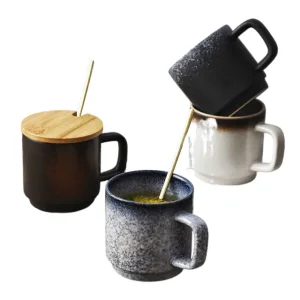
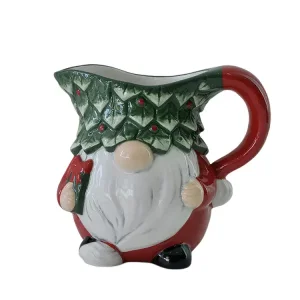
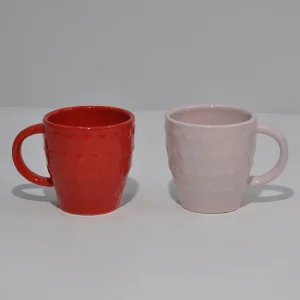
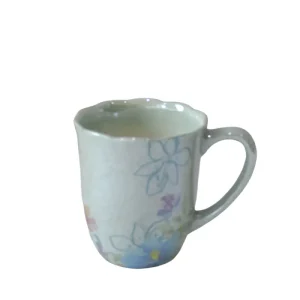
Explore our premium grade kitchenware and seasonal home decorations custom-made for brands worldwide.
Analysis of Market Sourcing, Design Ergonomics, and Materials Engineering
In the contemporary B2B retail landscape, seasonal tableware has evolved from mere holiday accessories to key components of year-round consumer self-expression. The "Witch Hat Ceramic Jar with Spoon" occupies a highly profitable niche combining functional storage with whimsical, gothic-inspired aesthetic value. Driven by digital design trends across platforms like Instagram and TikTok, global consumers seek kitchen accents that offer visual storytelling. High-quality ceramic jars with dedicated spoon fixtures satisfy a key consumer intent: practical utility coupled with a distinct visual narrative.
For procurement directors, importing these items requires finding an OEM partner capable of matching this precise artistic aesthetic with high-volume manufacturing consistency. The complex, asymmetrical contours of a witch hat lid present unique structural challenges in ceramic slipcasting, requiring specialized factories with master mold designers. Failing to manage standard shrinkage ratios during firing can lead to mismatched lids, unstable spoon fits, and high rejection rates at customs.
Information Gain Insight: Advanced B2B buyers no longer look for generic designs. Modern market success depends on integrating smart elements like integrated silicone seal rings, custom-slotted spoons, and multi-textural finishes (e.g., combining matte obsidian bases with gloss-glazed highlights) to achieve maximum aesthetic value on retail shelves.
A key decision in custom OEM manufacturing is selecting the right raw material. Most seasonal ceramic items fall into two categories: low-fire dolomite (soft earthenware) or high-fire stoneware/porcelain. Understanding the physical differences between these materials is essential for global buyers focused on quality control and regulatory compliance:
Dolomite (Earthenware): Fired at lower temperatures (around 1000°C to 1100°C), dolomite is lightweight and highly receptive to vibrant, detailed hand-painted finishes. It allows for intricate structural elements (like the curved tip of a witch hat) and keeps mold costs lower. However, it is more porous and susceptible to chipping, requiring robust protective packaging and careful glaze formulation to prevent moisture absorption.
Stoneware & Porcelain: Fired at high temperatures (exceeding 1200°C), these materials vitreous and boast exceptional density and mechanical strength. They are inherently chip-resistant, dishwasher safe, and ideal for daily kitchen use. While mold tooling for stoneware requires advanced thermal adjustment calculation, the resulting jars offer superior durability, commanding a premium retail price point.
Fujian Jiashun Arts & Crafts Corp., Ltd. delivers high-capacity manufacturing back by international standardizations.
Manufacturing high-quality OEM Witch Hat Ceramic Jars requires a specialized industrial environment. Dehua, recognized as the porcelain capital of China, provides a unique ecosystem where raw materials, advanced mold technology, and skilled artisans are concentrated in one region. This localized synergy offers major strategic benefits for global buyers:
Our facility, Fujian Jiashun Arts & Crafts Corp., Ltd., features 2 modern daily ceramic and arts and crafts production lines, alongside 2 advanced electric control rotary kilns and 2 automatic grouting production lines. Integrating traditional craftsmanship with modern automated manufacturing allows us to scale production while keeping defects minimal. Our integrated supply chain speeds up mold prototyping, reducing sample design timelines from weeks to days, giving our clients a key time-to-market advantage.
Exporting ceramics to Western markets requires strict adherence to food safety and environmental standards. Standard compliance checklists include:
Chemical Safety (Lead & Cadmium Leaching): All glazes used on our food-contact surfaces must meet FDA (US) and LFGB (Germany) limits. As lead-based glazes are strictly banned, we utilize high-temperature food-grade frits to guarantee safety and performance.
Physical Testing Standards: Products undergo rigorous thermal shock testing (switching from freezing to boiling water) to ensure stability, alongside moisture absorption and dishwasher compatibility trials. Heavy ceramic lid structures are reinforced internally to prevent fracture lines.
Social and Corporate Responsibility: Fujian Jiashun is certified under the ISO 9001 Quality Management System and ISO 14001 Environmental Management System. We focus on modern waste management, recycling wastewater and clay residues to minimize our footprint while meeting international retail compliance standards.
Why international brands trust our OEM design and supply capabilities
Our in-house design team converts concepts into physical samples rapidly. We use modern 3D CAD modeling to adjust firing shrinkage rates, ensuring a perfect fit between the jar lid, spoon slot, and container.
Utilizing 2 automated grouting production lines and 2 intelligent rotary kilns, we balance custom hand-crafting with high-efficiency machine processes, offering consistent output for large-scale retail launches.
Backed by ISO 9001 and ISO 14001 certifications, we enforce rigorous 8S workshop management. Every piece undergoes thorough pre-shipment inspections to guarantee compliance with international food safety standards.

Located in Dehua, the porcelain capital of China, Fujian Jiashun Arts & Crafts Corp., Ltd. was established on January 17, 2005. Over two decades, our facility has grown to employ more than 200 dedicated staff, including a management and technical team of over 40 professionals. With an annual export value exceeding 5 million USD, we have developed into a leading industry partner with support from local and regional governments.
Our facility features a modern office area, a cultural corridor, a multi-functional product exhibition hall, and standardized clean production workshops. Equipped with state-of-the-art ceramic manufacturing technologies, advanced communications, and scientific management systems, we implement 8S and quality standardization to ensure premium quality products and a positive corporate culture.
A history of reliability, contract integrity, and technical innovation in ceramics.
We emphasize corporate quality, safety, and cultural development, earning ISO 9001 and ISO 14001 environmental management system certifications. Recognized in 2020 as a "Municipal Industrial Leading Enterprise" and a "Quanzhou City Contract-Abiding and Credit-Honoring" enterprise, we were also awarded "Top Ten Enterprises of Dehua County Self-Operated Export" and "Provincial Industrial Leading Enterprise" in 2022.
In 2012, our trademark "Jiashun and map" was awarded the "Quanzhou Famous Trademark", followed by the "Fujian Famous Trademark" in 2014. We were recognized as a "Dehua County Contract-abiding Credit Unit" for three consecutive years from 2012 to 2015. Additionally, we received the "Top Ten Honest Enterprises" award in the Dehua County ceramic industry in 2018, and the "Jiashun Brand Daily ceramics" was named a "Famous brand product in China ceramic Industry".
In 2016, our project "Waste black tile recycling and production of high-grade daily porcelain technology" won the third prize of the "Science and Technology Award". We are recognized as a "Fujian Science and Technology Enterprise", a "High-tech Enterprise", and home to the "Quanzhou Functional Daily Ceramic Enterprise Engineering Technology Research Center". Further titles include "Provincial Science and Technology Small Giant" and "Specialized and New (Characteristic) SME in Fujian Province".
Maximizing market potential for seasonal and everyday ceramic ware
The Witch Hat Ceramic Jar with Spoon is highly versatile and fits seamlessly into multiple retail environments. Below are key ways international buyers position this product to optimize sales velocity:
Direct insights from our procurement and production teams
For custom OEM shapes and designs that require new molds, our typical Minimum Order Quantity (MOQ) ranges from 1,000 to 3,000 pieces per design, depending on the complexity of the shape and the glaze colors. We can accommodate lower trial volumes for standard body types with custom decals or glazes.
During the design phase, our engineering team uses 3D CAD modeling to calculate the thermal shrinkage coefficient of the clay (typically between 10% to 15% depending on whether it is stoneware or dolomite). We test prototypes through firing to ensure the spoon slot fits comfortably and securely without rattling or sliding.
Yes, all our food-contact items undergo rigorous lead and cadmium leaching tests. We work exclusively with certified raw glaze suppliers and perform strict in-house tests alongside third-party compliance reviews (FDA, LFGB, California Prop 65) before shipping.
Given the delicate shapes of ceramic lids and spoons, we provide highly secure packaging options. These include custom molded expanded polystyrene (EPS) inserts, corrugated cardboard dividers, and ISTA-tested mail-order drop boxes, ensuring products arrive safely at their destinations.
Absolutely. We offer a wide range of surface finishes including glossy, matte, textured speckled, reactive glaze, gold plating, and hand-painted decal applications. Our technical design office can match color references from Pantone color decks or physical customer samples.
Premium functional ceramics designed for major retailers and distributors worldwide
 JIASHUN