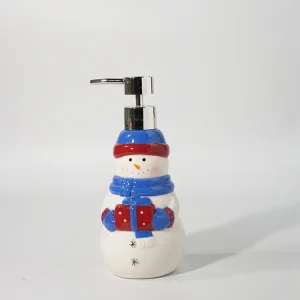
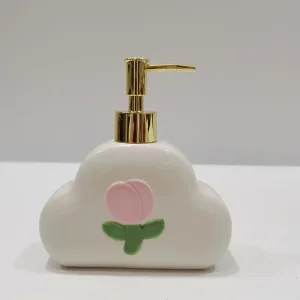
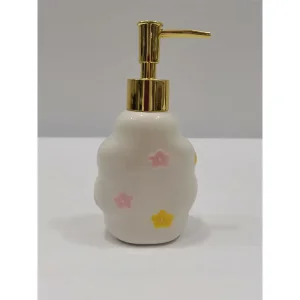
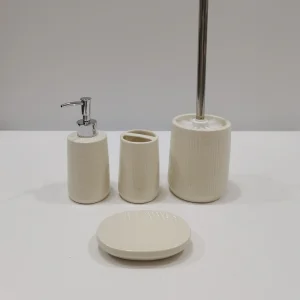
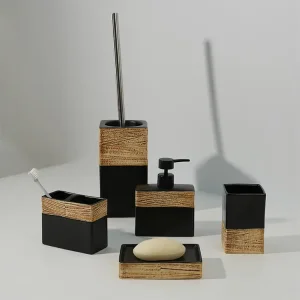
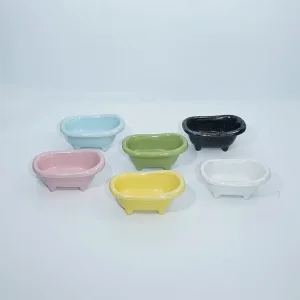
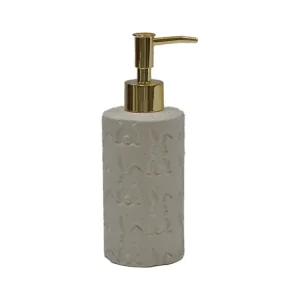
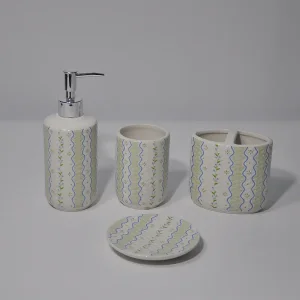
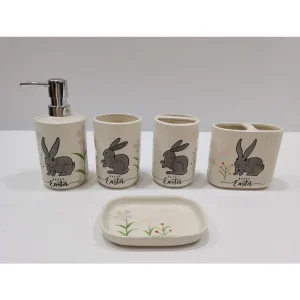
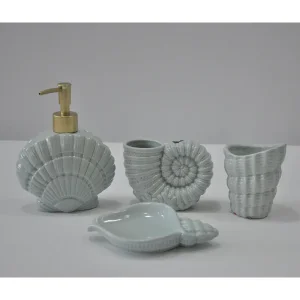
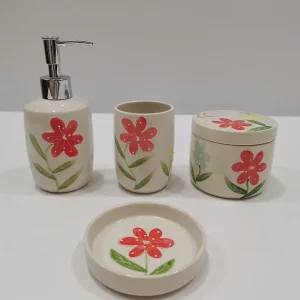
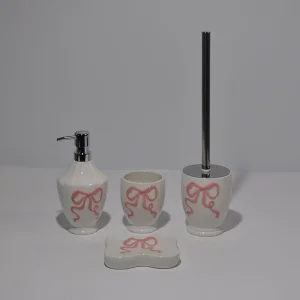
Curated high-vitrification accessory ensembles designed to withstand high humidity and demanding architectural requirements across Melbourne, Sydney, and Brisbane properties.
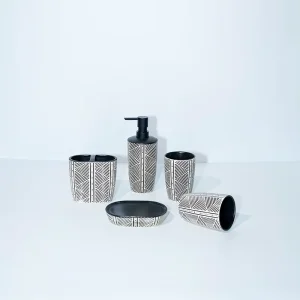
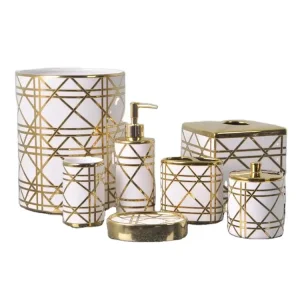
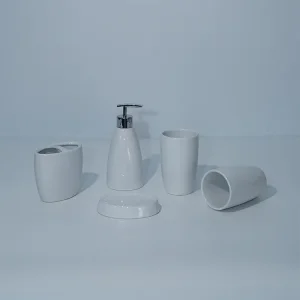
Analyzing commercial demand drivers, technical parameters, and supply chain resilience for Tier-1 builders, developers, and wholesale distributors in Oceania.
Australia’s construction and interior fit-out sector is undergoing a rapid evolution driven by dense multi-residential developments in key metropolitan hubs (Sydney, Melbourne, Brisbane) and an unprecedented expansion of boutique hospitality and lifestyle retirement villages. According to recent demographic analyses and property data, modern residential spaces are emphasizing space optimization and tactile comfort. In particular, the bathroom has transitioned from a purely functional space to a private wellness sanctuary.
For bathroom accessory exporters, this shift demands products that offer both superior functional lifetime and distinct aesthetic appeal. Minimalist styles, organic contours, and matte ceramic finishes are replacing traditional high-gloss plastics and low-grade metals. Moreover, developers are increasingly focused on certifications like the Water Efficiency Labeling and Standards (WELS) scheme and the Nationwide House Energy Rating Scheme (NatHERS) to meet sustainable building targets. Selecting the right materials is paramount to securing specification approvals from Australian architects and quantity surveyors.
Architectural Specifier Note: Over 72% of modern high-end apartment specifications in Victoria and New South Wales now explicitly request ceramic, stoneware, or marine-grade stainless steel bathroom accessories to mitigate early wear and chemical corrosion from high-strength domestic cleaning agents.
Designing and exporting products for the Australian market requires a deep understanding of its diverse micro-climates. From the high-salinity coastal environments of the Gold Coast and Western Australia's coastal plain to the humid tropical zones of Far North Queensland, materials face aggressive atmospheric conditions that accelerate oxidation and rust.
Common metal components (such as chrome-plated zinc alloys) frequently fail within 24 to 36 months in coastal properties due to salt-spray exposure. High-vitrification stoneware and specialized glazed ceramics, such as those manufactured by Fujian Jiashun Arts & Crafts, provide an ideal alternative. Because high-fired ceramics are chemically inert, they do not corrode, tarnish, or react with saline air, making them the preferred material for coastal residential properties and luxury beachside resorts.
Furthermore, high-traffic commercial environments—such as offices in Sydney’s CBD, airport lounges, and boutique Airbnb properties—require materials that resist cracking and withstand frequent chemical sanitation. High-fired ceramic accessory sets provide the necessary physical density and ease-of-cleaning to meet these rigorous demands.
The next decade of bathroom accessory design is centered on material intelligence, sustainability, and universal accessibility. The modern technical roadmap for Australian sanitaryware is characterized by:
Engineered for high-frequency cleaning cycles and refined aesthetic coordination in boutique Australian accommodations.
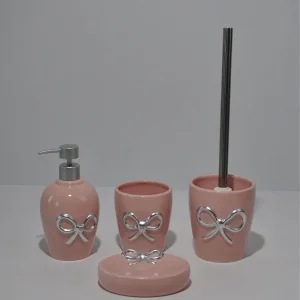
For procurement directors, selecting the correct material substrate directly affects project lifespan, warranty liabilities, and end-user satisfaction. The table below outlines key technical differences:
| Performance Indicator | Vitrified Ceramic (Stoneware) | Zinc Alloy (Chrome Plated) | Stainless Steel (Grade 304) | Thermosetting Acrylic / Resin |
|---|---|---|---|---|
| Corrosion Resistance (Salt Air) | Outstanding (Inert, non-metallic) | Poor (Subject to pitting/peeling) | Good (Subject to tea-staining) | Outstanding (Non-reactive) |
| Surface Hardness (Scratch Resist) | High (Mohs scale 7+) | Medium (Mohs scale 4) | Medium-High (Mohs scale 5.5) | Low (Prone to hairline micro-scratches) |
| Chemical Sanitizer Stability | High resistance to bleach/alcohol | Low (Acidic cleaners degrade plating) | High (Except chlorinated solvents) | Medium (Certain phenols cause yellowing) |
| Water Absorption (Porosity) | < 0.5% (Impermeable) | 0.0% | 0.0% | < 1.5% |
| Custom Design Flexibility | High (Intricate 3D relief moldable) | Medium (Die-cast restricted) | Low (Machined & welded) | Very High (Liquid cast molding) |
| Carbon Footprint Lifecycle | Low (Natural clay, recyclable) | High (Smelting & chemical plating) | High (Energy intensive metallurgy) | Very High (Petroleum derivative) |
Compliance is key to avoiding legal liability and construction delays in the Australian market. Products entering this region must align with local building and consumer safety frameworks:
Analyzing the industrial advantages of Dehua—the historic capital of porcelain—and how Fujian Jiashun Arts & Crafts Corp., Ltd. delivers consistent quality to Australian importers.

Located in Dehua, the world-renowned ceramic capital of Fujian, China, our manufacturing facilities combine centuries of artisanal tradition with advanced modern technology. Founded on January 17, 2005, Jiashun has grown to employ over 200 dedicated staff, including a core team of more than 40 administrative, management, and technical specialists.
With an annual export value exceeding $5 million USD, our products are shipped to over 20 countries, with Australia representing one of our primary growth regions. We operate two advanced daily ceramic and arts-and-crafts porcelain production lines, two modern intelligent electric rotary kilns, and two automated grouting lines. Our facilities are managed using 8S principles and rigorous quality standardization.
Dehua’s consolidated industrial cluster provides significant advantages for international trade. Rather than operating as an isolated facility, Jiashun is integrated with local clay refining networks, specialized mold makers, glaze laboratories, and packaging suppliers. This dense supplier ecosystem minimizes internal logistics costs, accelerates prototype development, and ensures raw material consistency.
Our proximity to Xiamen Port allows for rapid maritime shipping to major Australian ports, including Sydney, Melbourne, Brisbane, and Adelaide. The average transit time from Xiamen is 18 to 22 days, providing Australian wholesale importers with a predictable, responsive supply chain.
Fujian Jiashun is committed to sustainable ceramic manufacturing and resource recovery. In 2016, we received the Third Prize of the "Science and Technology Award" for our innovative project: "Waste black tile recycling and production of high-grade daily porcelain technology."
This method integrates industrial waste back into the production loop, reducing the consumption of raw kaolin clay and minimizing landfill waste. By utilizing clean-burning electric rotary kilns, we maintain a low carbon footprint, helping our international partners meet their ESG (Environmental, Social, and Governance) targets.
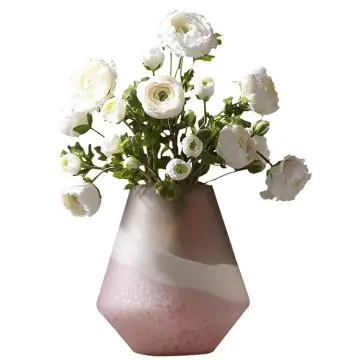
Originally featured in our international design catalogs. Ideal for high-end hotel refurbishments and residential specifications in Australia.
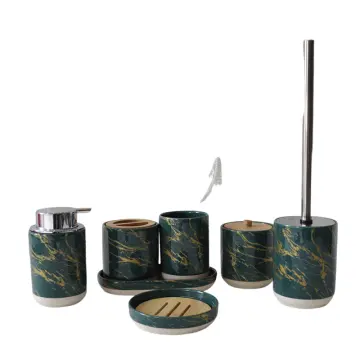
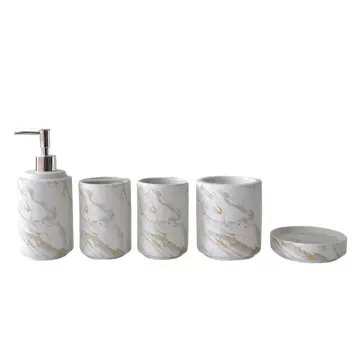
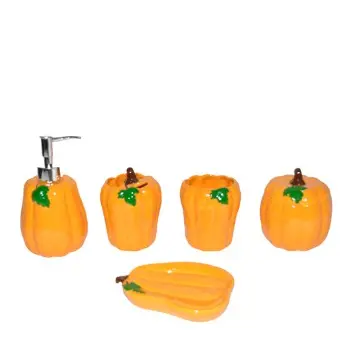
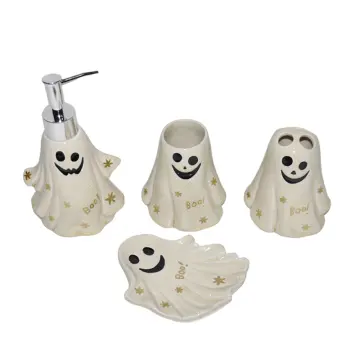
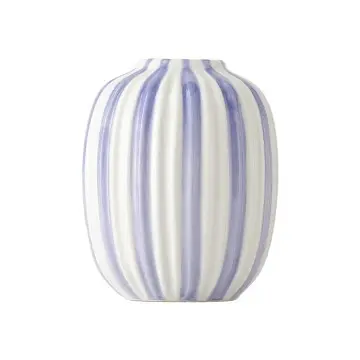
Delivering high-quality ceramic products supported by internationally recognized certifications and corporate honors.
Original product line featuring classic patterns, animal motifs, and relief work designed for retail and residential distribution.
Technical details, compliance metrics, and logistical information for Australian B2B procurement professionals.
Whether you are sourcing for a hospitality renovation, a high-density residential project, or looking to expand your retail wholesale inventory, our team can provide technical drawings, custom samples, and volume-based pricing.
 JIASHUN