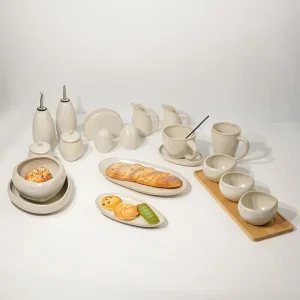
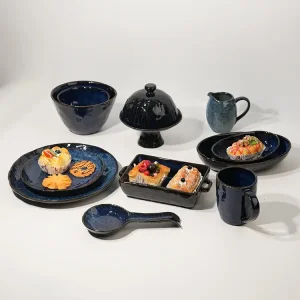
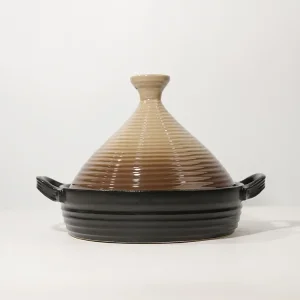
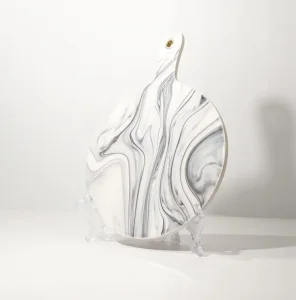
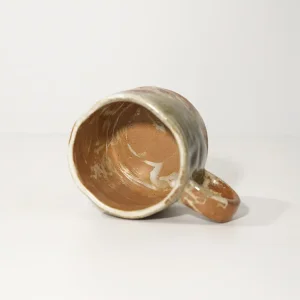
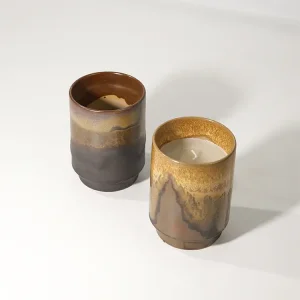
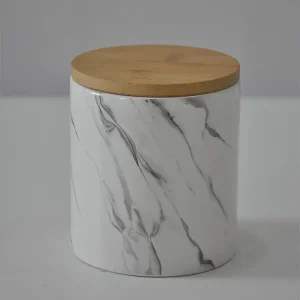
Explore our elite selection of high-durability stoneware plates, serving bowls, custom branded cups, and heat-resistant casseroles optimized for the Nigerian commercial sector.
Nigeria, as the largest economy and population center in Africa, is witnessing a massive transition from traditional earthenware and low-cost plastics to premium, hygienic, and long-lasting ceramic and stoneware products. Driven by rapid urbanization in cities like Lagos, Abuja, Kano, and Port Harcourt, alongside a burgeoning middle class, the demand for durable household and commercial kitchenware is at an all-time high.
Historically, localized manufacturing of ceramics in Nigeria has faced structural headwinds, primarily due to inconsistent raw material refining networks and unstable energy supply lines for high-temperature kilns. As a result, commercial developers, hoteliers, quick-service restaurant (QSR) chains, and household retail brands rely heavily on verified international suppliers capable of delivering uniform quality standards at scale. B2B buyers look for products that comply with strict global safety benchmarks (such as FDA and LFGB certifications) while exhibiting high resistance to physical breakage and thermal shock.
"The rising urbanization rate in West Africa, combined with a post-pandemic hospitality surge, has generated a critical supply gap for commercial-grade vitrified tableware that can withstand intensive daily sanitize-wash cycles without micro-cracking."
On a global scale, the ceramic kitchenware market is shifting towards clean, non-toxic, and circular economy-compliant products. Modern hospitality groups and retail giants are moving away from traditional synthetic polymers and heavy-metal glazed pottery toward high-density stoneware and bone china. This evolution is governed by stricter environmental protection standards, growing awareness of food-safety chemistry (eliminating lead and cadmium residues), and the design preference for minimalist, organic aesthetics.
Advanced supply chain consolidation and logistical agility have become the primary benchmarks for selecting manufacturing partners. Buyers require rapid customization (OEM/ODM design capabilities), precise color matching, structural prototyping, and flexible low-to-high volume production capability to adapt to fast-evolving consumer tastes.
Our product lines are strategically customized to match the climatic and operational challenges of the Nigerian market.
Deploying advanced industrial intelligence from Dehua, the historic porcelain capital of the world, to satisfy Global and West African B2B kitchenware demands.

Located in the prestigious porcelain capital of Dehua, FUJIAN JIASHUN ARTS & CRAFTS CORP., LTD. was established on January 17, 2005. Over the past two decades, we have evolved into a highly integrated, modern ceramic manufacturer, commanding a team of over 200 dedicated professionals. This includes a robust management and engineering core of more than 40 senior technical personnel. With an annual export valuation exceeding 5 million US dollars, the company is recognized as an industry-leading private enterprise actively supported across municipal and regional government levels.
Our standardized, state-of-the-art facility features modern administrative offices, a cultural corridor, a multi-functional product exhibition hall, and clean, dust-free manufacturing workshops. The production base runs two exquisite daily ceramic and arts-and-crafts porcelain production lines, backed by two modern intelligent electric-control rotary kilns and two automatic slip-casting/grouting production lines. Equipped with advanced technical manufacturing machinery, seamless communication platforms, and a scientific management framework, we strictly execute 8S and quality standardization modes to ensure every batch of product matches our legacy of durability and design.
Our catalog encompasses high-grade flower pots, festive porcelain decorations (Christmas, Easter, Valentine's Day), functional daily kitchen items, seasoning canisters, money banks, pet accessories, ceramic casserole pots, and high-end tea sets. In response to custom luxury procurement trends, we also develop bespoke gift porcelain and modern bath accessory suites for hotels and residential projects globally, exporting widely to Europe, the Middle East, Southeast Asia, and our rapidly growing markets in West Africa (Nigeria).
How our localized industrial cluster in Dehua, China translates to cost savings, supply security, and rapid custom turnaround for Nigerian enterprises.
When Nigerian corporate importers purchase tableware and cookware, the core challenges are unit-cost competitiveness, structural durability, and reliable container-load supply chains. Sourcing from Fujian Jiashun offers specific tactical advantages:
| Performance Metric | Standard Clay Cookware | Jiashun Vitrified Ceramics (West Africa Spec) |
|---|---|---|
| Thermal Shock Resistance | Cracks at ~220°C differential | Resistant up to 800°C (stovetop safe) |
| Water Absorption Rate | < 1.5% (medium porosity) | < 0.2% (fully vitrified, sanitary) |
| Heavy Metal Leaching | Trace amounts possible | 0.00% (Certified Lead & Cadmium Free) |
| Edge Chipping Resistance | Standard rating | Reinforced impact-rim vitrification |
Demonstrating our audited commitment to manufacturing quality, environmental management systems, and credit compliance over the decades.

Fujian Jiashun focuses on product quality, environmental stewardship, and cultural construction. We are fully certified under the ISO9001 Quality Management System and the ISO14001 Environmental Management System. Our adherence to consistent operational standards has earned us several awards over the years:
Staying ahead of market transitions: What modern retail groups and hospitality sourcing managers in Nigeria should plan for.
Standard glossy surfaces are giving way to matte stoneware, coarse-grained reactive glazes, and textured relief designs that reflect a modern, eco-conscious aesthetic.
International retail networks demand carbon audits and sustainable supply chains. Our recycling of firing waste into raw batch compositions helps reduce footprint.
Anti-scratch, non-porous formulations prevent oil and microbial accumulation, simplifying commercial cleanup under standard sanitation codes.
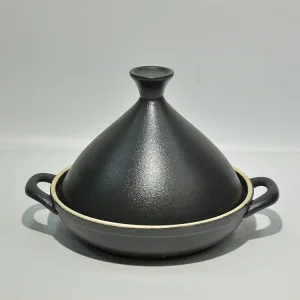
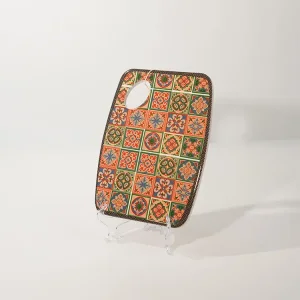
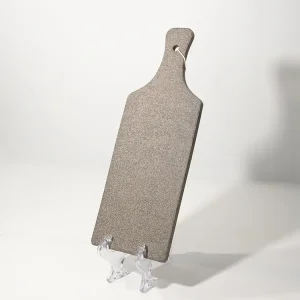
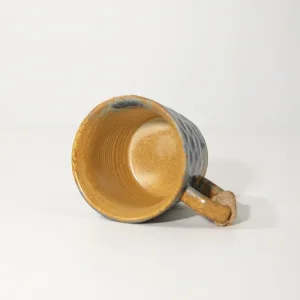
Select from our specialized stoneware serving trays, slow-cook vessels, non-porous cutting boards, and lifestyle ceramics designed for durable commercial service.
Essential insights for procurement directors, import brokers, and wholesale distributors operating in Nigeria.
 JIASHUN